The World's Most Remote
Places, Beautifully
Within Reach
Expert, independent advice on expedition cruises to Antarctica, the Arctic, Galápagos,
Alaska, the Kimberley and beyond - from Rich Rochester, one of a small group of UK specialists
who is both a CLIA Cruise Master and a CLIA Expedition Cruise Champion.
Expedition cruising takes you to the places that bigger ships simply cannot reach.
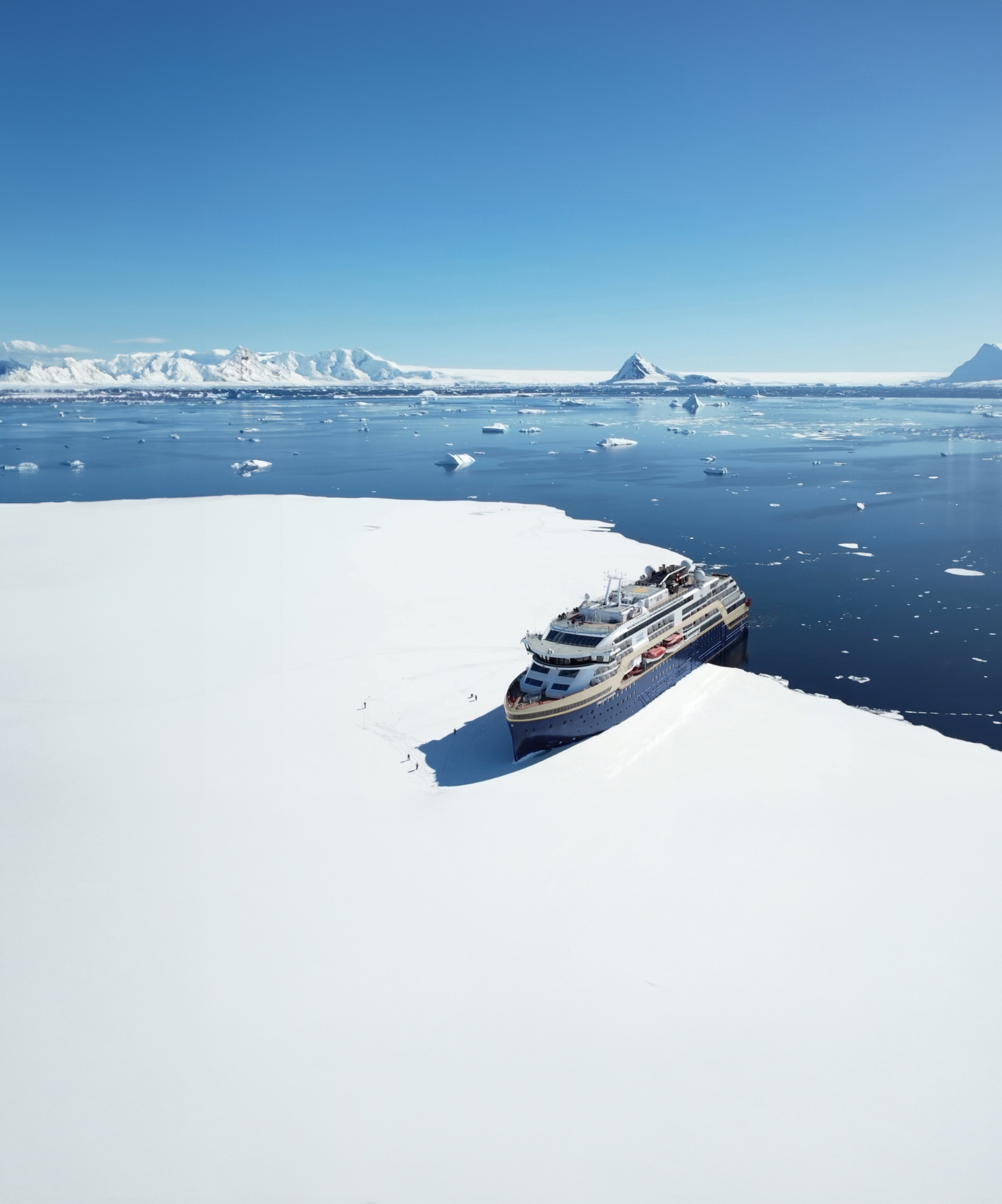
Small, purpose-built vessels with ice-strengthened hulls navigate
remote archipelagos, polar coastlines and pristine wilderness - bringing you closer
to wildlife, landscapes and cultures that few people ever experience.
Every voyage is shaped by nature, led by expert guides, and designed for the genuinely curious.
Your Specialist
Why Book Your Expedition Cruise with Rich?
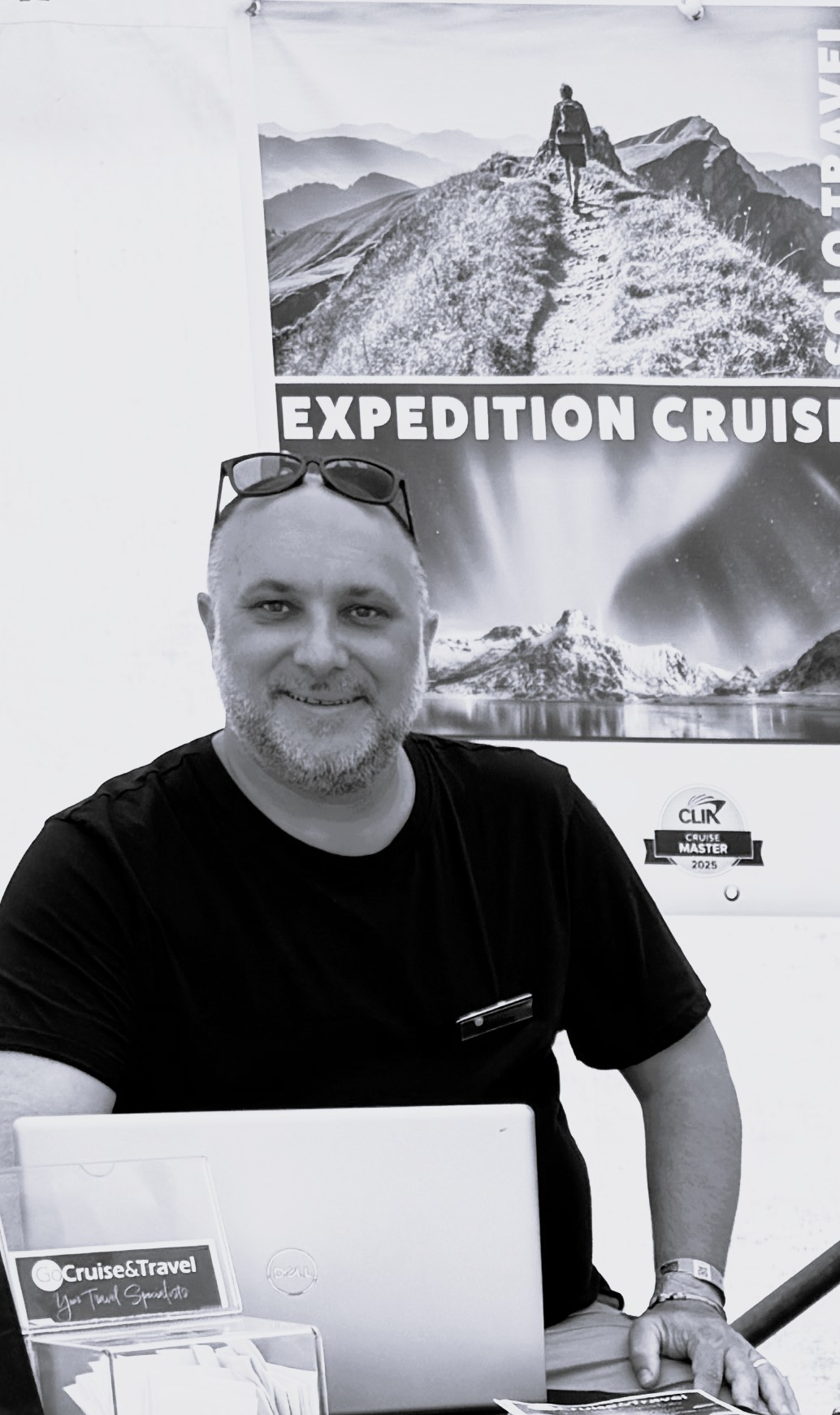
Rich Rochester
GoCruise & Travel · Expedition Cruise Specialist
A genuine expedition cruise specialist - with the credentials to match
Rich Rochester is not a generalist travel agent who happens to sell expedition cruises.
He is one of a select group of UK travel professionals who holds both the CLIA Master accreditation and the CLIA Expedition Cruise Champion designation. The CLIA Master represents the highest qualification CLIA awards, achieved through sustained commitment to professional development across the full cruise spectrum. The Expedition Champion programme goes further still - it involves over six months of dedicated study specifically covering expedition cruising in all its forms. Together, they represent a serious commitment to a sector that is growing rapidly, and where clients genuinely need guidance from someone with real, in-depth knowledge.
In practical terms, this means that when you talk to Rich about an expedition cruise,
you are talking to someone who has studied these ships, these operators, and these
destinations in forensic detail.
🎓
CLIA Master Accreditation
The CLIA Master certification is the highest level of professional accreditation awarded by the Cruise Lines International Association - the global body for the cruise industry. While a number of UK travel professionals hold this status, achieving it represents a serious and sustained commitment to professional development across the full spectrum of cruise products, destinations, and operators. Combined with the CLIA Expedition Cruise Champion programme - which involves over six months of dedicated study covering everything expedition cruising entails - it reflects a genuine commitment to this rapidly growing sector. Expedition cruising is one of the fastest-growing areas in travel, and it is a sector where clients genuinely benefit from working with someone who truly knows what they are talking about.
🔭
CLIA Expedition Cruise Champion
The CLIA Expedition Cruise Champion is a specialist qualification focused
specifically on the expedition sector - the ships, operators, destinations,
and guest experience that define expedition cruising. As one of the UK's only
Expedition Cruise Champions, Rich has undergone specialist training that goes
beyond general CLIA accreditation to encompass the unique considerations of
polar and remote expedition travel.
💬
Highly Rated on Find a Travel Agent
Rich is consistently among the highest-rated expedition cruise specialists on Find a Travel Agent, the UK's leading travel agent review platform. His clients return - and refer their friends and family - because the advice is genuine, the service is personal, and the expeditions deliver everything they were promised.
Personal, one‑to‑one service - no call centres
When you contact Rich, you speak to Rich. There is no call centre, no queue, no
account manager who doesn't know your file. Every enquiry is handled personally, at
whatever pace suits you - whether you want a quick answer to a specific question or
a longer conversation to explore your options from scratch.
Expert, impartial advice across all major expedition operators
Real knowledge of ships, itineraries, and what to genuinely expect
Full support from first enquiry through to your return home
Pricing that is always at least as competitive as booking direct - and often better
No service fees or booking charges
All bookings fully protected under ABTA and ATOL
Personalised expedition planning - tailored to your style, budget, and ambitions
Trusted by solo travellers, couples, and groups of all ages
The CLIA Master is the highest professional accreditation in the cruise industry. Achieving it requires real commitment - and combined with the CLIA Expedition Cruise Champion programme, it represents over six months of dedicated study into the world of expedition travel.
02
Expedition Champion
Rich holds the CLIA Expedition Cruise Champion qualification, recognising specialist
expertise in exactly the sector you're exploring.
03
No Call Centres
Every conversation is with Rich directly. He knows your name, your interests,
your budget, and exactly what kind of expedition suits you.
04
Fully Protected
Every booking is ABTA and ATOL protected, giving you complete financial security
from the moment you place your deposit.
05
At No Extra Cost
Rich's service costs you nothing extra. Prices are always at least as competitive
as booking direct - and his expertise ensures you choose the right voyage.
Education
What Is Expedition Cruising?
Everything you need to know about one of travel's most extraordinary - and most
misunderstood - experiences.
Small ships. Big wilderness.
Expedition cruising is fundamentally different from mainstream ocean cruising.
Where traditional cruise ships carry thousands of passengers from port city to
port city, expedition vessels typically carry between 50 and 500 guests -
small enough to navigate fjords, polar bays, and remote island channels that
are entirely off-limits to larger ships.
The emphasis is on immersion, not entertainment. You might spend
a morning watching a colony of 500,000 king penguins in South Georgia, an
afternoon landing by Zodiac on an Antarctic ice shelf, and an evening listening to
a glaciologist explain how the landscape around you was formed over millennia.
How it differs from traditional cruising
On a mainstream cruise, the ship is the destination. On an expedition cruise, the
ship is the tool that gets you to the destination. There are no casinos, no
Broadway shows, no poolside buffets. There is, instead, a science centre, a Zodiac
fleet, a team of naturalists, historians, and wildlife specialists - and the
unscripted drama of the natural world unfolding around you every single day.
Itineraries on expedition cruises are deliberately flexible. If a pod of
orca appears, the ship stops. If conditions allow a landing at a rarely-visited
site, it happens. This responsiveness to nature is one of the most exhilarating
aspects of expedition travel - no two voyages are ever the same.
Expert guides and the expedition team
Every expedition ship carries a dedicated team of specialists. Depending on the
operator and itinerary, you might have onboard marine biologists, ornithologists,
geologists, historians, photographers, and conservationists. These are not tour
guides - they are practising experts who lecture, lead shore excursions, and bring
the environment alive through genuine, first-hand knowledge.
Zodiac landings and activities
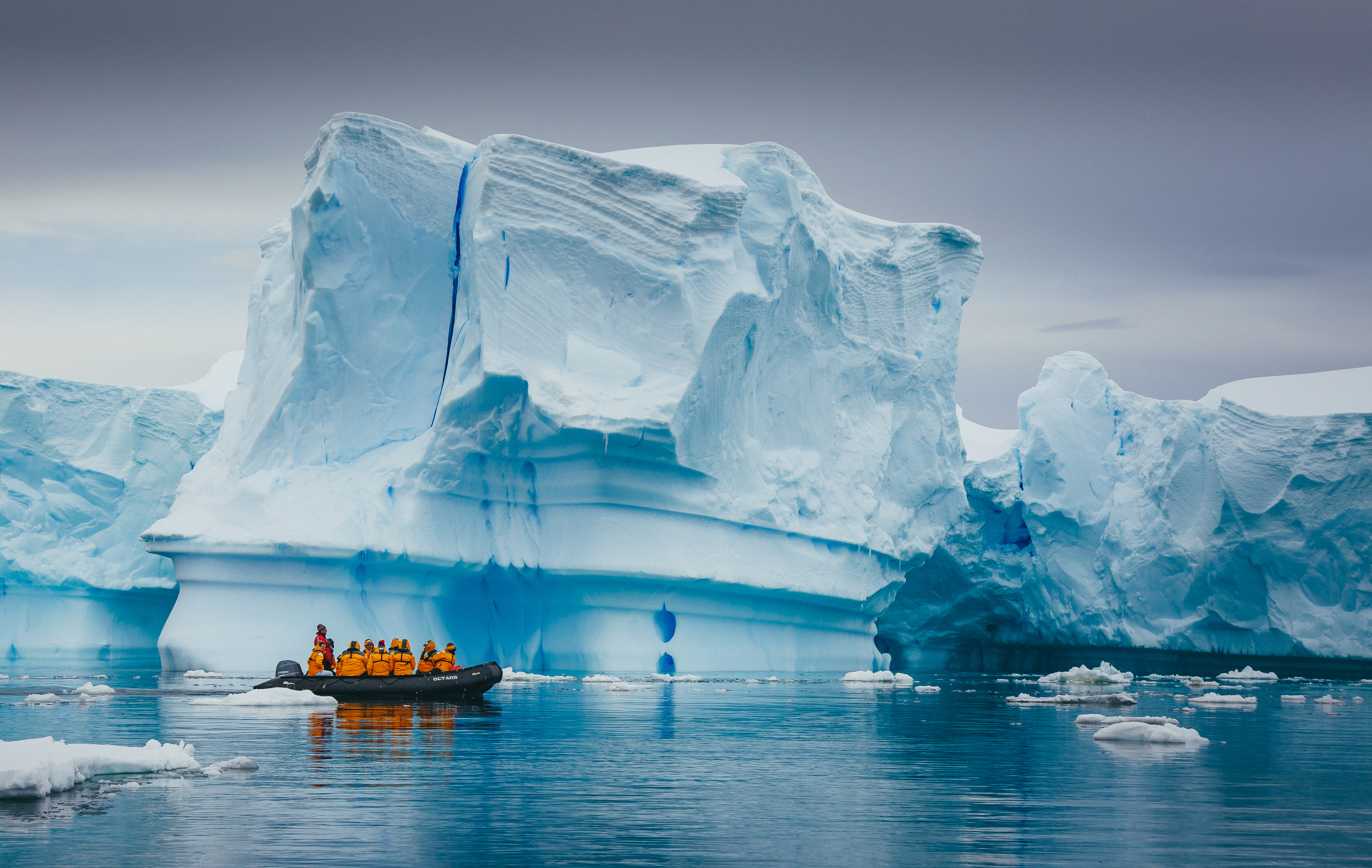
The Zodiac - a robust, motorised inflatable boat - is the expedition cruiser's
essential tool. When the ship anchors in a bay, guests are ferried ashore in small
groups, stepping directly onto beaches, ice floes, or rocky shores for landings
that no large ship could ever offer. Many operators also offer kayaking, paddleboarding,
snorkelling, diving, and even polar swimming for those who want to go further.
Who is expedition cruising for?
The answer is broader than most people expect. Expedition cruising does not require
high fitness levels - many guests are in their 60s, 70s, and 80s, and operators
design programmes with a range of activity levels. What expedition cruising does
require is a sense of curiosity, an appetite for the natural world, and a
willingness to let nature dictate the agenda.
It is ideal for solo travellers (most operators offer dedicated solo cabins), couples
seeking a truly meaningful shared experience, and small groups of friends or family
who want something genuinely extraordinary rather than another beach holiday.
🚢
Purpose-Built Ships
Ice-strengthened hulls, Zodiac fleets, onboard science labs, and small passenger
numbers - typically 50 to 500 guests - purpose-built for remote access.
🔬
Scientific Expertise
Onboard teams of naturalists, glaciologists, marine biologists, and historians
lead daily lectures, shore excursions, and citizen-science programmes.
🛶
Zodiac Landings
Direct access to remote shores, ice floes, wildlife colonies, and wilderness
beaches that are entirely inaccessible to larger vessels.
🐧
Unscripted Wildlife
Every day is shaped by what nature offers - polar bears, penguins, humpback
whales, orca, giant tortoises - encountered in complete wilderness, not wildlife parks.
🌍
Remote Destinations
Antarctica, the High Arctic, the Galápagos, the Kimberley, West Africa, Patagonia -
destinations that cannot be reached any other way.
♻️
Conservation Focus
The best expedition operators operate under strict environmental guidelines,
contribute to polar research, and carry conservation scientists on every voyage.
Myth-Busting
Common misconceptions about expedition cruising
These are some of the most common misconceptions about expedition cruising - and the honest answers.
Myth
"You need to be very fit and adventurous"
Most Zodiac landings involve nothing more strenuous than stepping in and out
of a boat. Many operators offer sitting-only Zodiac cruises for guests who prefer
not to land. Activity levels are clearly graded on every excursion.
✓ Reality - All fitness levels welcome
Myth
"Expedition ships are basic and uncomfortable"
Modern expedition ships range from comfortable to ultra-luxury. Silversea's
Silver Endeavour, for example, offers butler service and world-class cuisine.
Even more modest vessels offer warm, well-designed cabins and excellent food.
✓ Reality - From comfortable to ultra-luxury
Myth
"It's too expensive"
When you compare cost-per-experience, expedition cruising is often extraordinary
value. Shore excursions, expert guides, Zodiac landings and all meals are typically
included. A 12-night Antarctica expedition from £6,000pp is a very different
proposition from a £6,000 beach holiday.
✓ Reality - Outstanding value for the experience
Myth
"It will be too cold / too rough"
Operators schedule voyages in each region's optimal season. Antarctica departures
run November to March - the southern summer, often with 20+ hours of daylight and
temperatures hovering around 0°C, not polar blizzards. Ships are stabilised and
seasickness medication is freely available.
✓ Reality - Season timing makes all the difference
The Polar Plunge - an expedition tradition
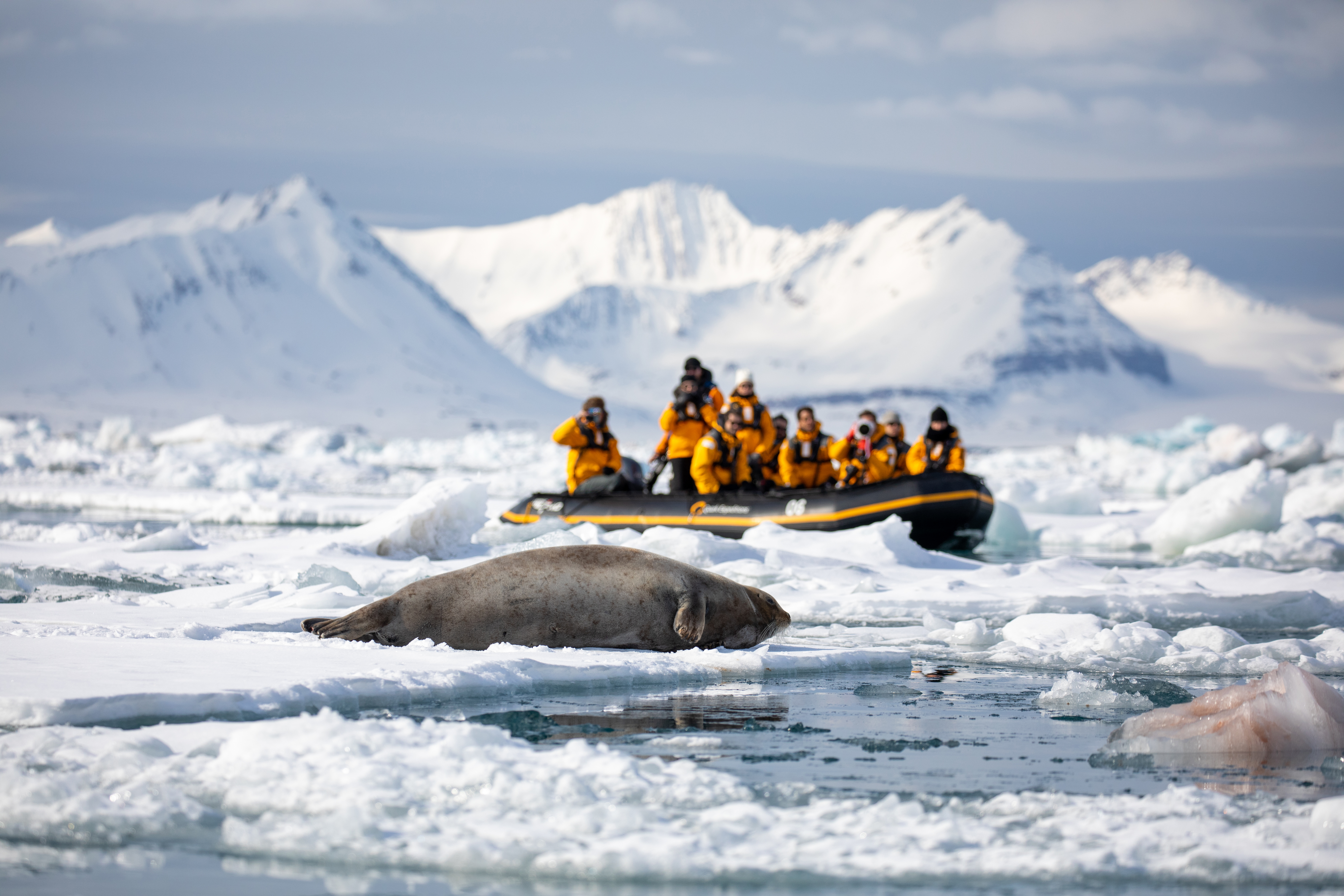
Zodiac Landings
Wildlife Encounters
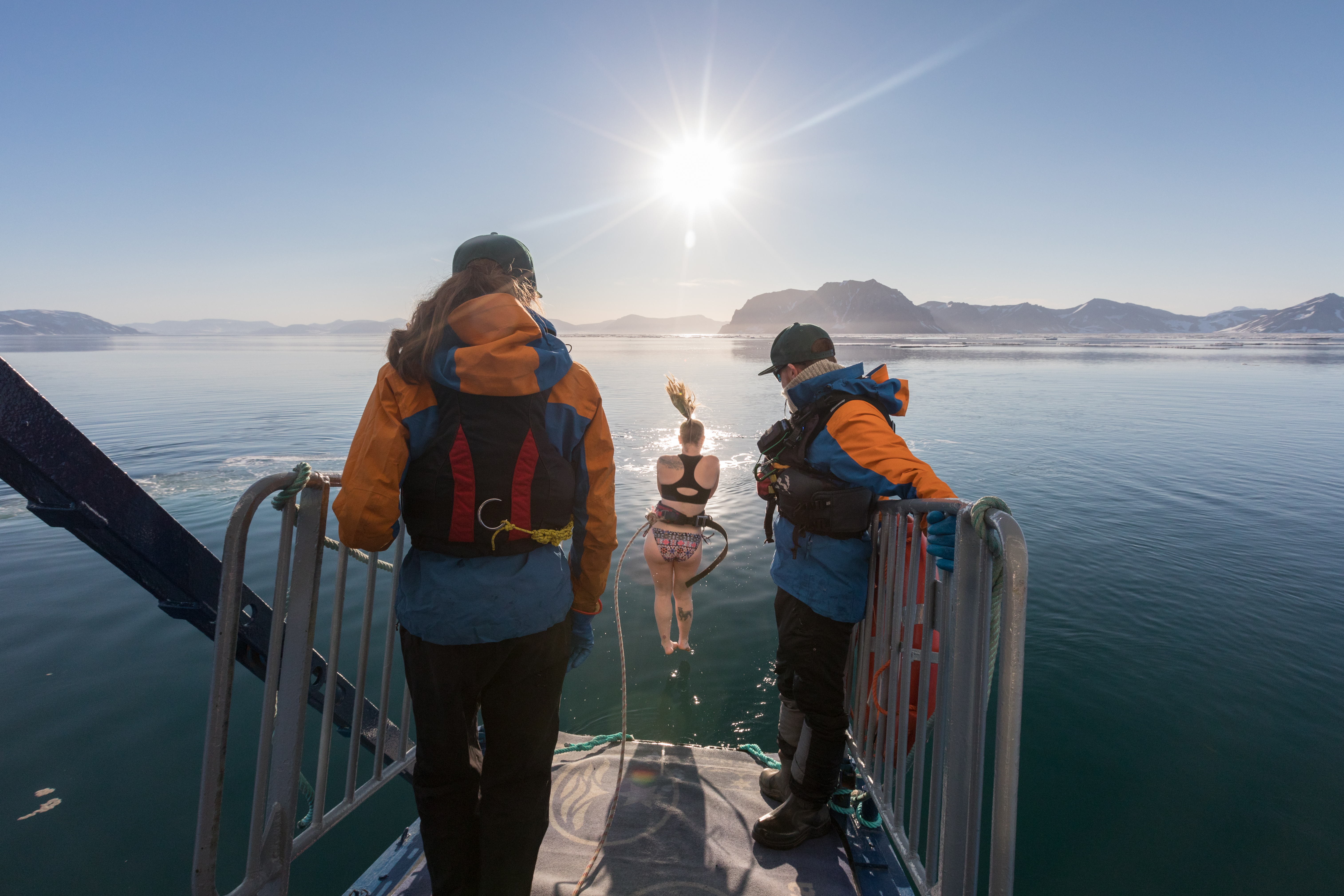
The Polar Plunge - one of expedition cruising's most memorable traditions.
A voluntary jump into the icy polar sea, lasting just seconds, but remembered for a lifetime.
Offered on many Antarctic and Arctic voyages, it's entirely optional - but most people who
hesitate end up taking the plunge. Read more in our FAQs →
Where We Explore
Expedition Cruise Destinations
From the last continent to the oldest islands on earth. Every destination below
rewards the expedition traveller with encounters that exist nowhere else on the planet.
Antarctica
The Arctic
Galápagos Islands
Alaska
Polar SouthNov – Mar
Antarctica
The last great wilderness. A continent of staggering beauty, absolute silence and
extraordinary wildlife - towering icebergs, vast penguin rookeries, humpback whales
breaching alongside Zodiac craft. The Drake Passage crossing is itself part of the
adventure. No permanent human population. No commercialisation. Just the raw,
elemental wonder of the world's most remote continent.
Many expedition travellers argue South Georgia is the greatest wildlife spectacle
on the planet. Over a million king penguins crowd the black-sand beaches of
St Andrews Bay, while elephant seals bellow across the tussock grass. The Shackleton
Connection - his dramatic rescue from Elephant Island - adds a layer of extraordinary
human history to one of the most remote island groups on earth.
King Penguin ColoniesElephant SealsWandering AlbatrossShackleton's GraveRockhopper Penguins
The High Arctic is a world of midnight sun in summer and ice-locked shores of
astonishing beauty. Polar bears stalk the ice floes. Walrus colonies crowd
remote beaches. Narwhal surface in glacial fjords. Svalbard, Greenland, Franz
Josef Land, the Canadian Arctic and the Northeast Passage each offer a completely
different experience of the frozen north.
Where Darwin's theory of evolution took shape. The Galápagos archipelago is home
to wildlife that has no fear of humans - marine iguanas, giant tortoises, blue-footed
boobies, and flightless cormorants coexist in complete wilderness. Only small
expedition ships can access the outer islands where the most extraordinary encounters
take place, making this one of the few destinations where the size of your ship
genuinely determines the quality of your experience.
Giant TortoisesMarine IguanasBlue-Footed BoobiesSnorkelling with Sea LionsUNESCO World Heritage
Alaska's Inside Passage is one of the world's great small-ship expedition routes.
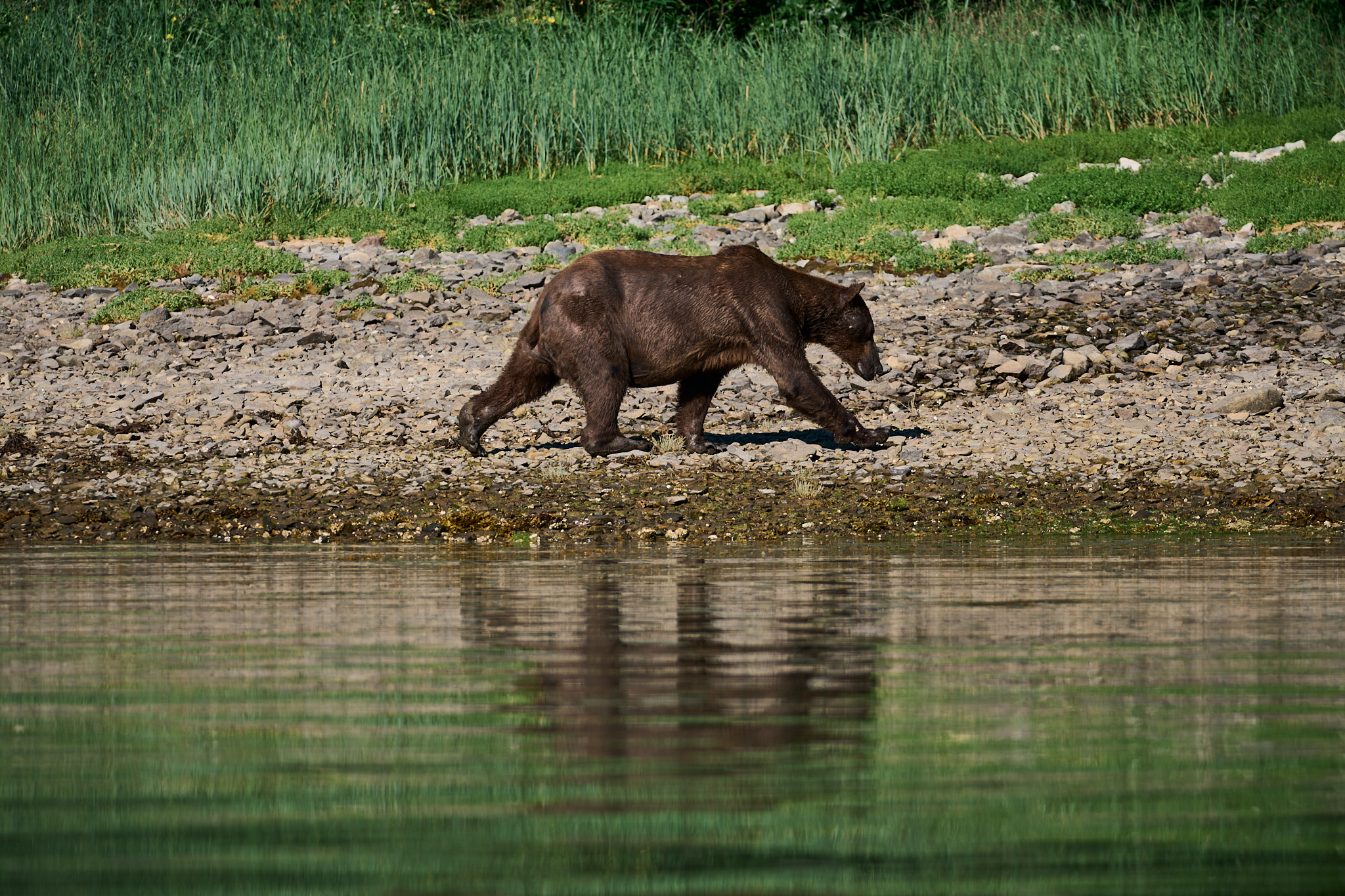
Glaciers calve thunderously into turquoise fjords; brown bears fish for salmon on
remote shores; orca pods glide through kelp-lined channels. The remote archipelagos
of Southeast Alaska remain largely untouched by mass tourism, and the cultural depth
of the Tlingit and Haida peoples adds a profound human dimension to the wilderness.
Glacier Bay National ParkBrown BearsOrca & HumpbacksTlingit CultureKayaking & Paddleboarding
One of the most dramatically beautiful landscapes on earth. The Chilean fjords
stretch over 1,000 kilometres of glacier-carved channels, forested islands, and
ancient forests that descend directly to the waterline. Condors soar above the
Torres del Paine peaks; pumas stalk the Patagonian steppe; Peale's dolphins ride
the bow waves of expedition ships navigating channels that barely register on
most world maps.
Torres del PaineCondors & PumasGlacier GreyPeale's DolphinsCape Horn
Australia's most remote wilderness - a vast, ancient landscape of ochre gorges,
cascading waterfalls, and tidal flats teeming with wildlife. Only accessible by
small expedition ship, this coastline reveals Aboriginal rock art galleries tens
of thousands of years old, the spectacular horizontal waterfalls, freshwater
swimming holes, and a staggering abundance of marine life. Few destinations on
earth feel as genuinely wild and untouched.
Aboriginal Rock ArtHorizontal FallsDugong & Sea TurtlesFreshwater GorgesBoab Trees
One of expedition cruising's least-explored frontiers. Gabon's national parks
harbour forest elephants, surfing hippos, and western lowland gorillas. The
remote Bijagós Islands of Guinea-Bissau are a UNESCO Biosphere Reserve of
extraordinary birdlife and saltwater hippos. Cape Verde, São Tomé & Príncipe,
and Senegal's river systems complete a coast that rewards the adventurous
traveller with encounters found nowhere else on earth.
Norway's spectacular coastline is where expedition cruising was born - and it
remains one of the most rewarding small-ship destinations on earth. The fjords
of western Norway combine towering cliff faces, cascading waterfalls, and ancient
glacier-carved valleys with vibrant fishing villages and rich Norse heritage.
Further north, the remote archipelago of Svalbard offers genuine Arctic wilderness
within reach of European departure ports - polar bears, walrus, Arctic foxes, and
vast seabird colonies under the midnight sun.
Other destinations include Japan (expedition routes), South Pacific & Melanesia,
Indonesia & Raja Ampat, Sub-Antarctic Islands, and more.
Ask Rich about any destination you're dreaming of.
Expedition Operators
The World's Leading Expedition Cruise Lines
As a CLIA Master and CLIA Expedition Cruise Champion, Rich has in-depth knowledge
of every major expedition operator - their ships, their style, their strengths, and
which one is right for you. Click any operator below to learn more.
01
Premium / Science-Led Expedition
HX Expeditions
+
Drawing on a maritime heritage stretching back to 1896, when the company began
operating Arctic coastal routes in Norway, HX Expeditions carries more genuine
polar experience than almost any other operator on earth. Science sits at the
very heart of every voyage - an onboard Science Centre, dedicated citizen-science
programmes, and naturalist-led research mean guests actively contribute to polar
and environmental research throughout their journey, not simply observe it.
The flagship vessels - MS Roald Amundsen and MS Fridtjof Nansen - are HX's only
two purpose-built hybrid-powered expedition ships, combining genuinely
advanced sustainable engineering with serious polar expedition capability. Shore excursions and Zodiac landings are included in the fare, with
excursion levels ranging from gentle coastal walks to demanding wilderness hikes.
The fleet also includes vessels purpose-built for warmer-water destinations,
including the Galapagos-dedicated MS Santa Cruz II, giving HX an unusually broad
geographic reach for a premium science-led expedition operator.
Best for: Travellers who want a genuinely premium expedition
experience built around real scientific engagement and research, delivered
aboard some of the most advanced expedition vessels afloat.
FleetMS Roald Amundsen, MS Fridtjof Nansen (purpose-built hybrid-powered), plus MS Spitsbergen, MS Fram, MS Santa Cruz II
Key DestinationsAntarctica, Arctic, Svalbard, Greenland, Alaska, Iceland, British Isles, Galápagos, North West Passage, Arctic Canada
Ship SizesFrom 90 guests up to 530 guests
IncludesShore excursions, Zodiac landings, meals, expedition team
02
Deep Polar Adventure
Quark Expeditions
+
Quark Expeditions has been operating genuine polar voyages since 1991 and
holds a unique position in the expedition market: they are the only operator
running regular voyages to the North Pole itself. If standing at 90 degrees
North is on your bucket list, Quark is the only route there for civilian
travellers.
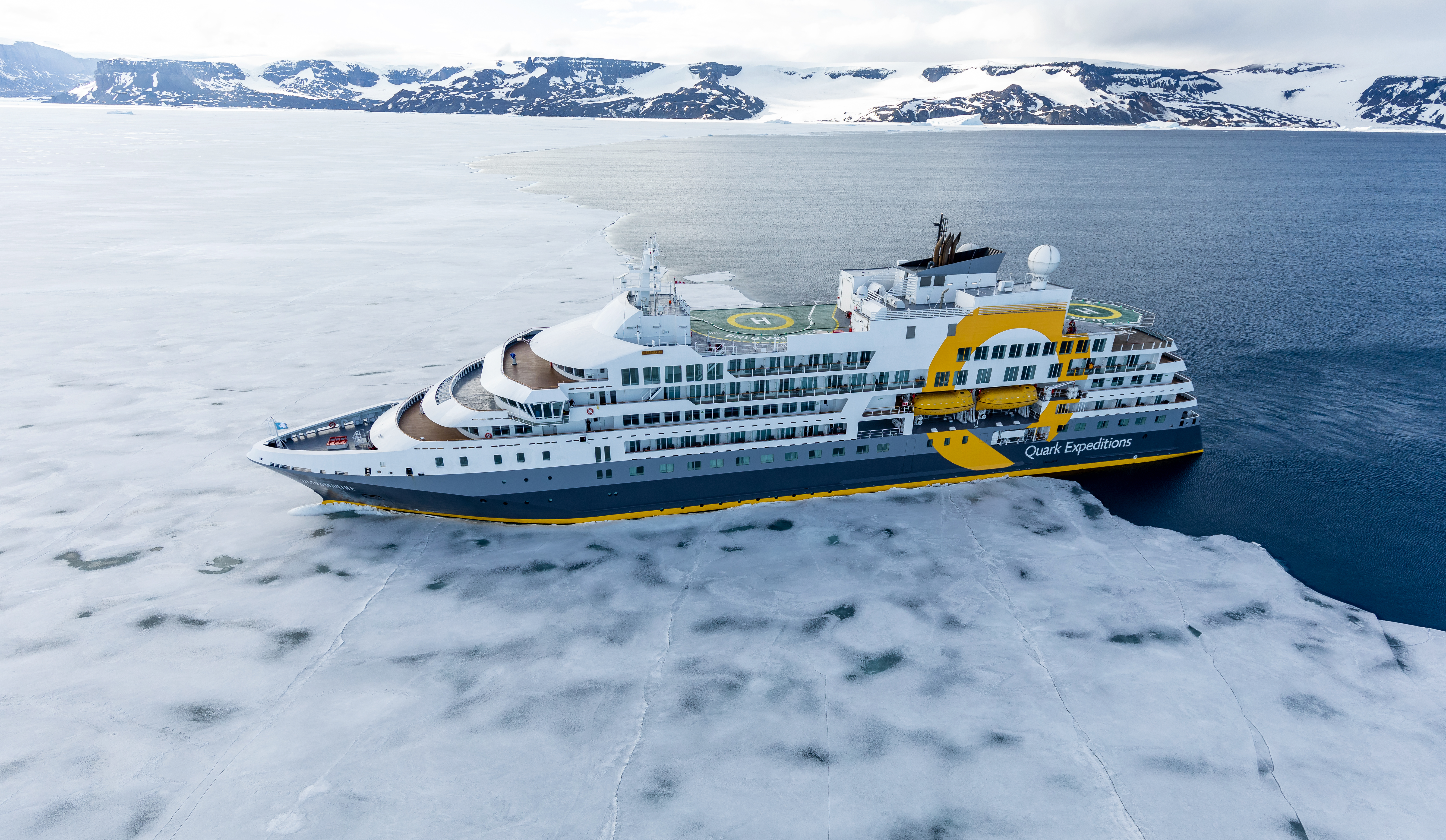
The current fleet - World Voyager, Ultramarine, and Ocean Explorer - are
all purpose-built polar vessels with strong ice-class ratings. Quark's
programme is exclusively focused on the polar regions: Antarctica, the
North Pole, the Arctic, Canadian Arctic, and Greenland. This single-minded
focus on the poles means their expedition teams, itineraries, and operational
knowledge are among the deepest in the industry.
Quark's adventure activity programme is exceptional - camping on the Antarctic
ice, polar diving, mountaineering, and helicopter excursions (where available)
set them apart for travellers who want to do rather than simply observe.
Best for: True polar adventurers - particularly those with
a North Pole ambition, or those who want the most active, hands-on expedition
programme available in Antarctica.
Key DestinationsAntarctica, North Pole, Arctic, Canadian Arctic, Greenland - polar regions only
Ship Sizes138 - 199 guests maximum
Unique FeaturesNorth Pole voyages; camping on Antarctic ice; polar diving; helicopter excursions (where available)
03
Science & Photography-Led Expedition
National Geographic Lindblad Expeditions
+
The original expedition cruise company - Lindblad Expeditions pioneered
small-ship exploration of Antarctica in 1966, and then the Galápagos in 1967,
and has been setting the standard for wildlife and science-led expedition
travel ever since. Their
partnership with National Geographic, formalised in 2004, brings the world's
most respected nature storytellers directly aboard every voyage: certified
National Geographic photographers, undersea specialists, naturalists, and
educators sail on every departure as standard.
The fleet is the most diverse of any expedition operator, ranging from
16-guest vessels - among the smallest expedition ships in commercial
service - up to the 154-guest National Geographic Resolution, a PC2 polar
ice-class ship capable of penetrating deep into Arctic and Antarctic pack
ice. This breadth means Lindblad can offer genuinely intimate small-group
experiences as well as full-scale polar voyages on the same platform.
Having sailed with National Geographic Lindblad myself, I can speak from
personal experience: the depth of expertise on board - from the photography
instruction to the naturalist programme - is simply unmatched in the
expedition sector.
Best for: Nature enthusiasts, wildlife photographers, and
travellers who want the most rigorous, science-led expedition experience
available - particularly in the Galápagos, Antarctica, Alaska, and the
Pacific North West.
Silversea Expeditions represents the very pinnacle of luxury expedition
cruising - an operator that has managed to combine all-inclusive ultra-luxury
with genuine expedition credentials. Butler service, award-winning cuisine,
spacious ocean-view suites, and an expertly curated wine list coexist
alongside a serious polar science programme, a full Zodiac fleet, and some
of the most qualified expedition teams afloat.
The fleet covers a remarkable breadth of destinations - from Antarctica and
the Arctic to French Polynesia, the South Pacific, the Kimberley, Africa,
the Indian Ocean, and Asia - making Silversea one of the few ultra-luxury
operators with a genuinely global expedition reach. The Silver Origin is
dedicated to the Galápagos, while the Silver Endeavour - carrying just 100
guests in suites - is their dedicated polar ship, PC6 ice-strengthened and
equipped with helicopters on many itineraries.
Best for: Travellers who will not compromise on comfort or
cuisine but still want genuine expedition access - and those for whom a
fully all-inclusive price simplifies the planning process.
Key DestinationsAntarctica, Arctic, Galápagos, French Polynesia & South Pacific, Alaska, The Kimberley, Africa & Indian Ocean, Asia
Ship Sizes100 - 274 guests
IncludesEverything - butler, drinks, excursions, flights on some itineraries
05
Adventure / Science-Led / Sustainability-Focused
AE Expeditions
+
AE Expeditions is an Australian-founded expedition operator with more than 35
years of experience exploring the world's most remote regions, from Antarctica
and the Arctic to culturally rich destinations across the globe. Established by
legendary polar explorer Greg Mortimer, the company was built on a spirit of
exploration, education and respect for the natural world - principles that
continue to shape every voyage today.
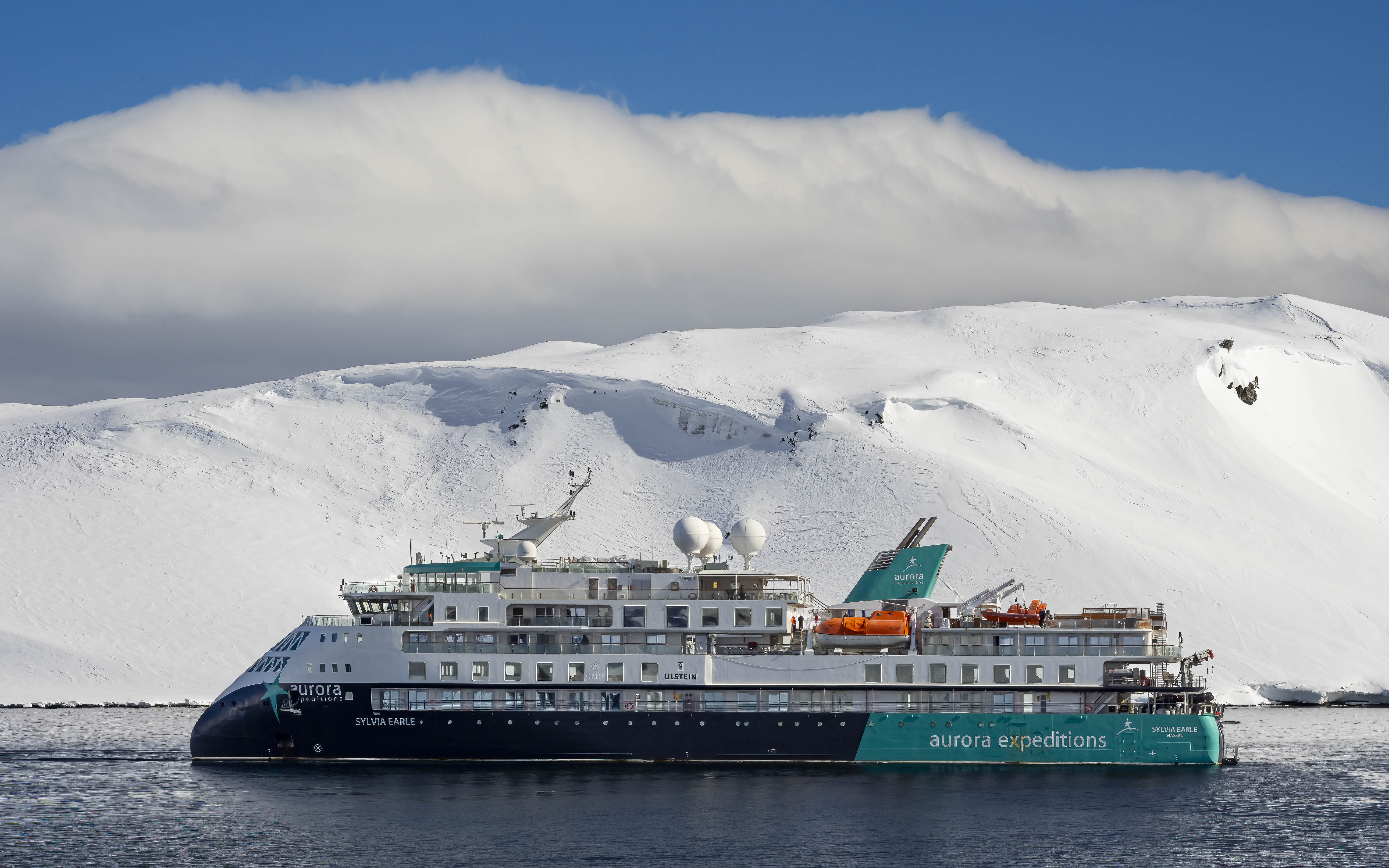
AE Expeditions operates a fleet of modern small ships purpose-built for
expedition travel - Greg Mortimer, Sylvia Earle and Douglas Mawson - designed
to access remote coastlines while prioritising comfort, capability and
environmental responsibility.
With one expedition guide for approximately every seven expeditioners, AE
Expeditions focuses on immersive, experience-led exploration. Expeditioners
spend as much time as possible off the ship and in destination, typically
enjoying guided excursions twice daily. Activities may include Zodiac cruising,
hiking, kayaking, snorkelling, polar diving, skiing and wildlife observation,
all led by highly experienced expedition teams.
AE Expeditions works closely with scientists, researchers and conservation
organisations to support fieldwork and expand Citizen Science opportunities
for travellers. As a Certified B Corporation™, the company is committed to
responsible travel, combining expedition heritage with innovation to help
protect the remote places it explores while creating meaningful travel
experiences.
Best for: Adventurous travellers who are passionate about
wildlife, culture, history, photography, sustainability, activities and
exploring some of the world's most remote destinations.
Key DestinationsAntarctica, Arctic, Indonesia & Borneo, Ross Sea, The Americas, Europe
Ship Sizes130 - 154 guests
IncludesExcursions, dining, soft drinks, house beers/wine with dinner, Star Link Wi-Fi, airport transfers, pre-voyage accommodation, professional photographer, 3-in-1 waterproof jacket and muck boots during voyage
06
Ultra-Luxury Expedition
Seabourn Expeditions
+
Seabourn has been synonymous with ultra-luxury ocean cruising since 1986, and
in 2022 the brand brought that same level of refinement to expedition travel
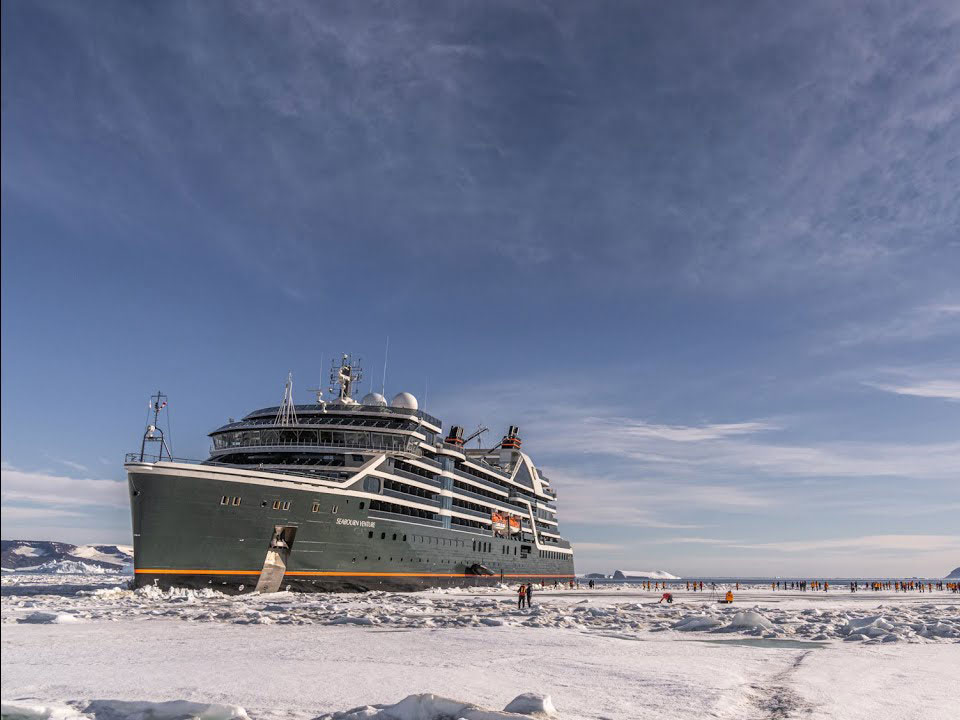
with its first purpose-built expedition ship, Seabourn Venture, followed by
sister ship Seabourn Pursuit in 2023. Here we focus purely on that expedition
division - two genuinely remarkable ships that have redefined what luxury
expedition cruising can look like.
Both ships are built to PC6 Polar Class standards, with ice-strengthened hulls
enabling safe passage through Antarctica, the Arctic, Svalbard and Greenland.
Each carries 24 Zodiacs and a fleet of sea kayaks, supported by an expert
expedition team of around 19 to 26 scientists, historians and naturalists.
Onboard, the experience is unmistakably Seabourn - all-suite accommodation,
an open bridge policy, and dining that rivals any restaurant ashore - combined
with genuine expedition capability that reaches the Arctic, Antarctica, South
Georgia, Greenland, the Kimberley and the South Pacific.
With just 264 guests aboard each ship, the atmosphere remains intimate and
personal throughout. Every fare includes premium beverages, Wi-Fi, polar gear
and gratuities, with optional add-on experiences such as kayaking available
for those who want to go further.
Best for: Travellers who want the absolute pinnacle of luxury
without compromising on genuine expedition credentials - all-suite comfort,
exceptional service, and real polar capability in one ship.
A selection of hand-picked expedition voyages across all operators and destinations. Prices shown are indicative from-prices; contact Rich for current availability and the best pricing - often his clients secure pricing not available direct.
Loading latest expeditions…
⚠️ Unable to load featured expeditions right now. Please contact Rich directly for the latest availability.
All prices are indicative, subject to availability, and based on cruise-only unless otherwise stated. International flights are not included unless shown — Rich can arrange and package flights for any voyage. Contact Rich for full pricing including flights.
Rich's First-Hand Review
Discovering Channel Islands National Park
📅 October 2025🛳️ National Geographic Venture🧭 National Geographic Lindblad Expeditions⌛ 5 Days / 4 Nights
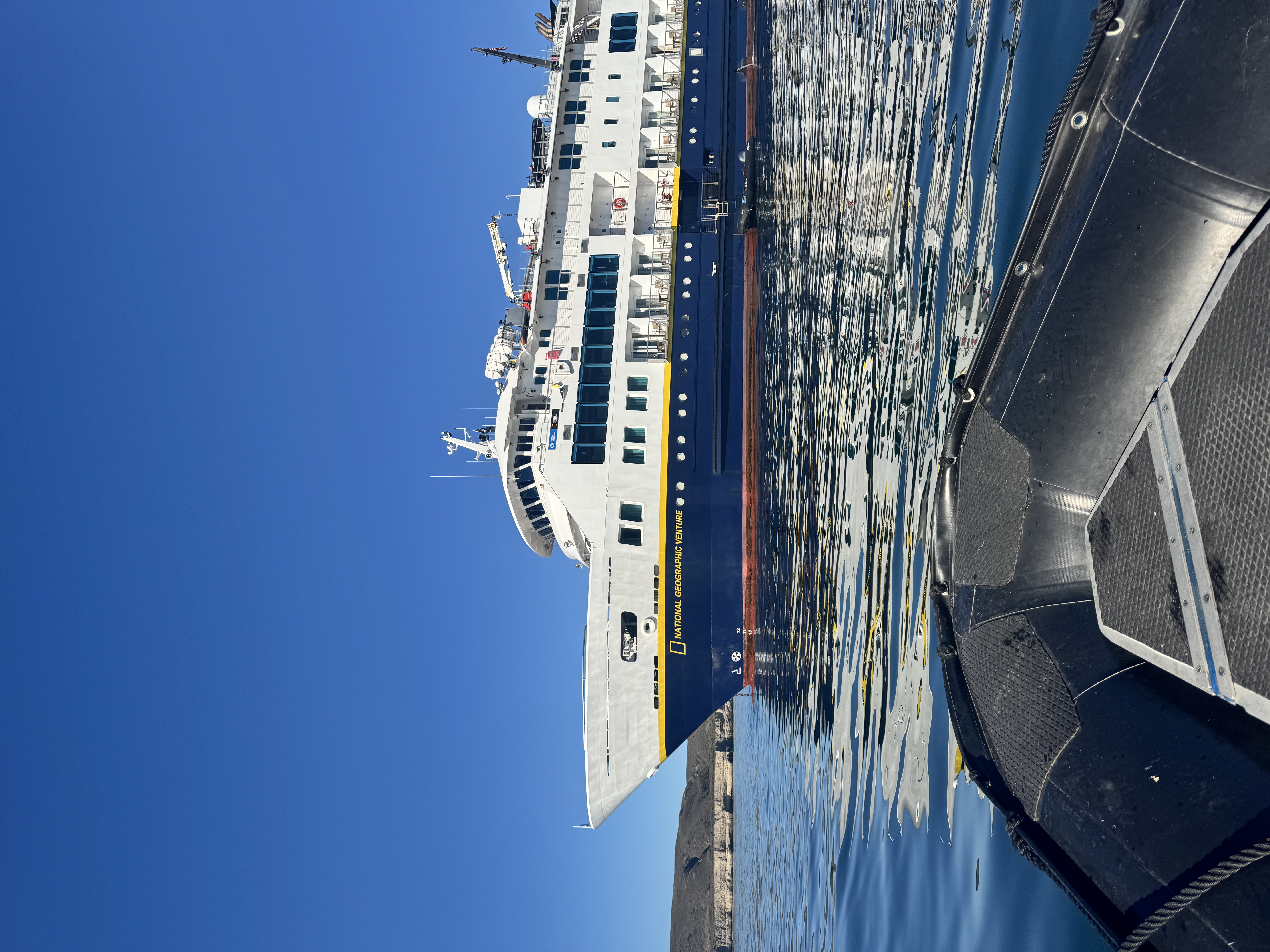
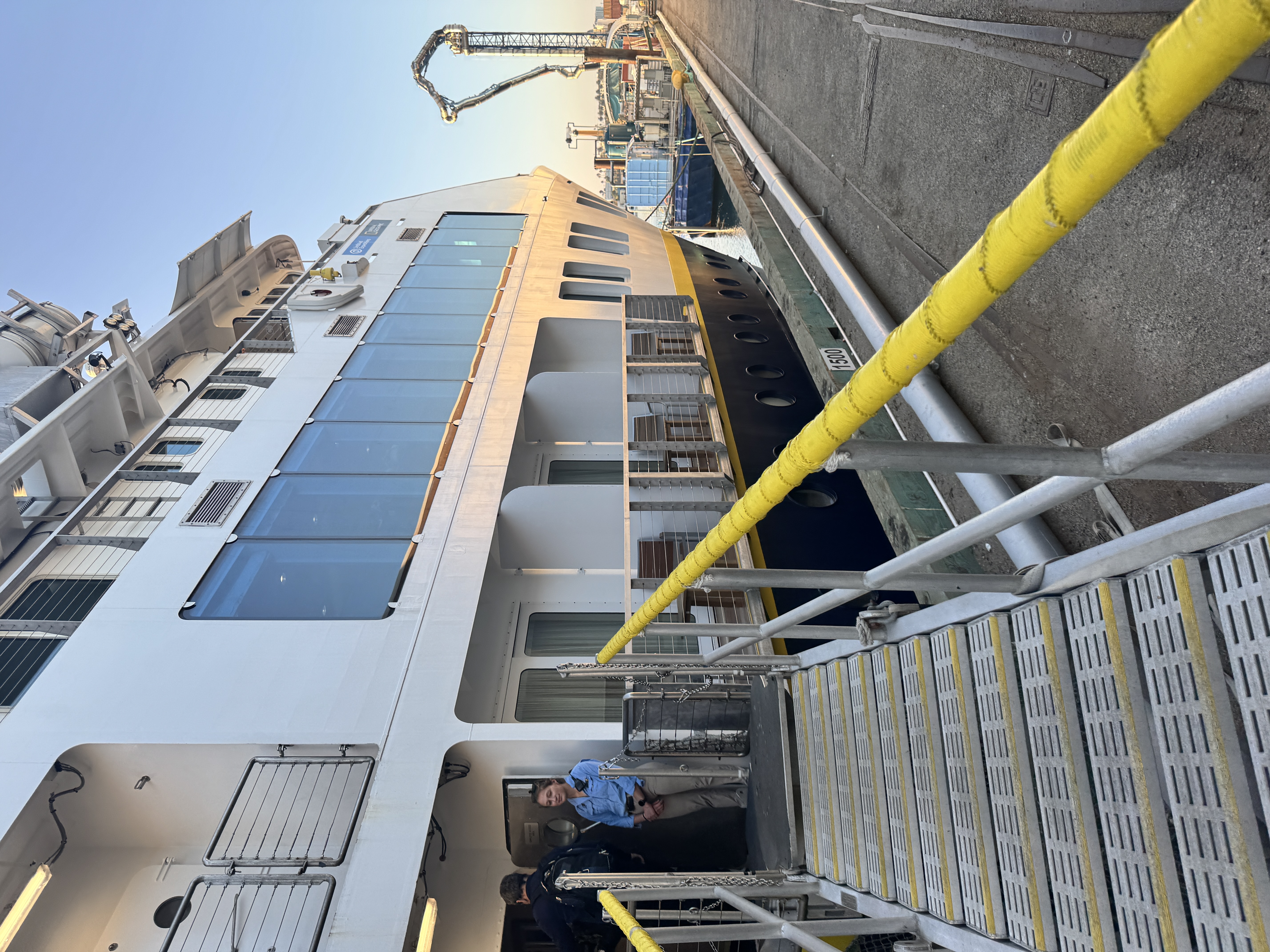
In October 2025 I joined National Geographic Lindblad Expeditions aboard the National Geographic Venture for a five-day expedition from Los Angeles to California's Channel Islands - one of America's most remarkable and least-visited national parks. Here is my honest, first-hand account of the voyage, the ship, the wildlife, and what makes this kind of small-ship expedition experience so different from anything else in travel.
Day 1 - Joining the National Geographic Venture
We joined the ship at San Pedro, near Los Angeles, assembling first at the Crowne Plaza hotel where the National Geographic Lindblad team welcomed guests, issued name badges, and our expedition leader Mary-Lou gave a compelling presentation on the Channel Islands National Park - immediately setting the tone for what was to come. This wasn't a cruise briefing about lifeboat drill and dinner sittings. It was a naturalist lecture about one of California's great wild places.
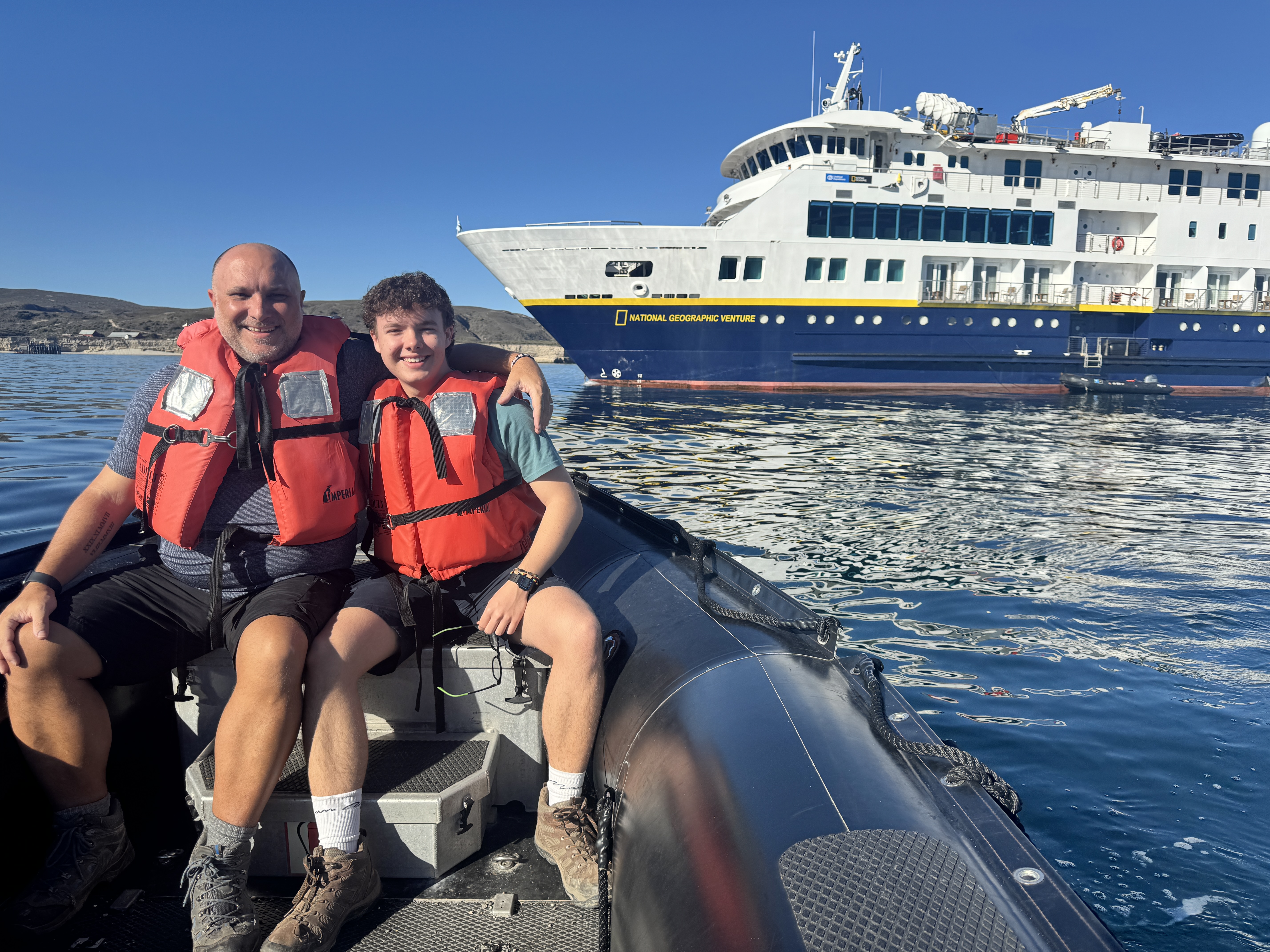
The National Geographic Venture is a genuinely small ship - intimate, unpretentious, and purpose-built for exactly this kind of work. What struck me immediately was the atmosphere: open, curious, expedition-minded. Fellow guests were scientists, photographers, retired teachers, and seasoned travellers - all there for the wildlife and the experience, not the entertainment.
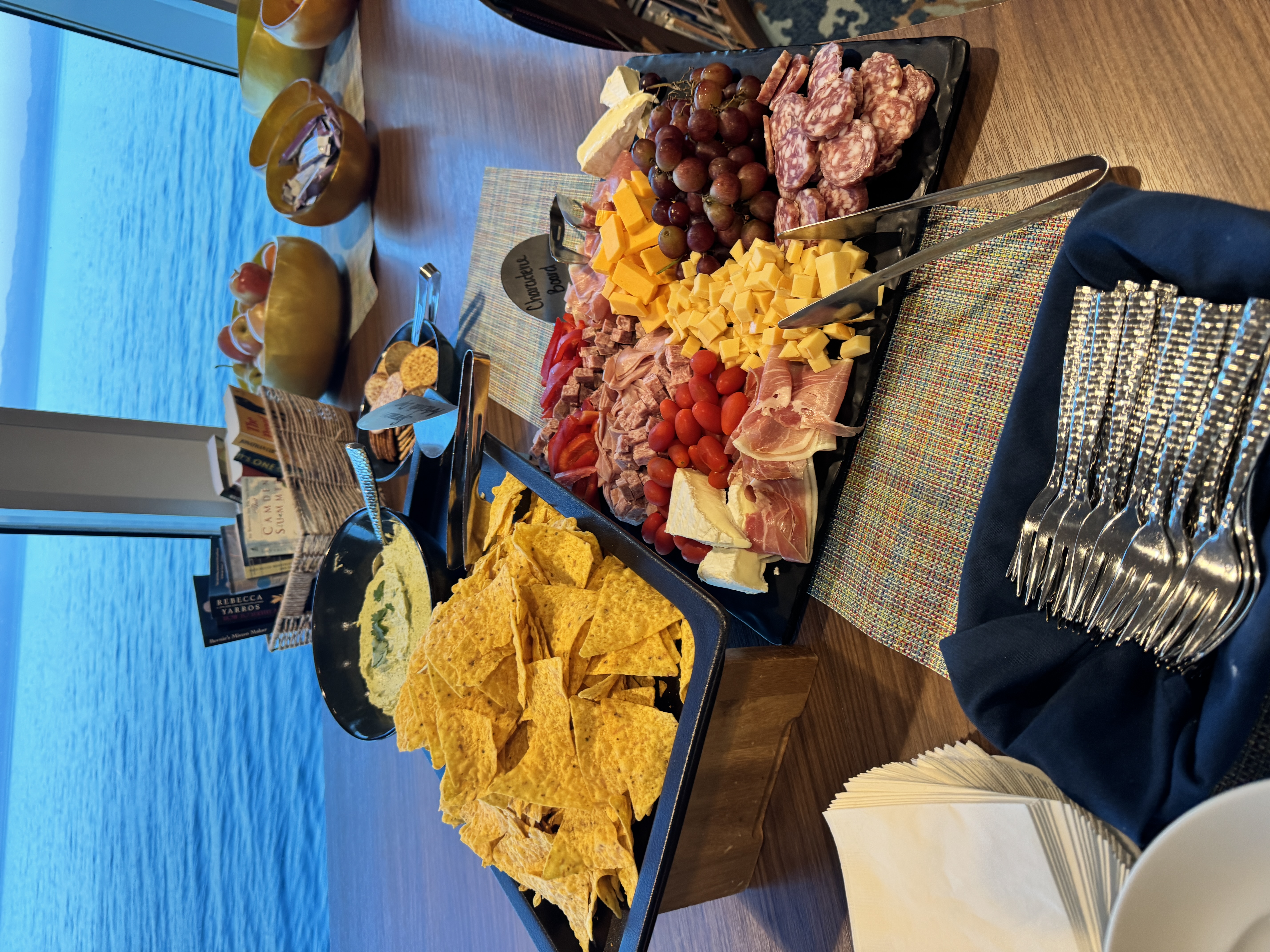
The nightly cocktail hour - a Lindblad ritual featuring a specialty drink, charcuterie and canapés - proved to be one of the unexpected highlights of every evening. Open seating at dinner encouraged conversation with different people each night.
Nearly Onboard
Nightly Cocktail Hour
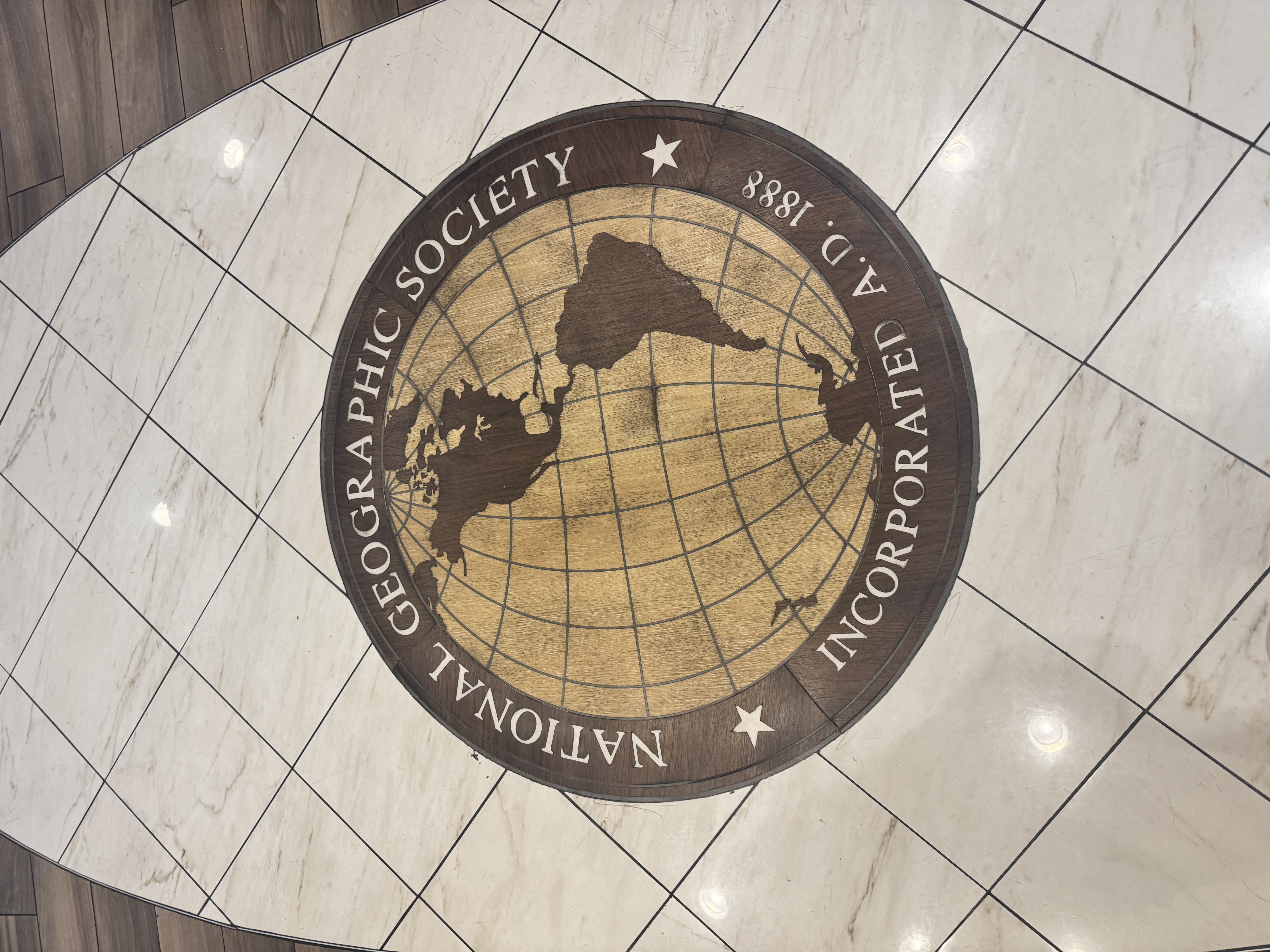
The National Geographic Difference
Day 2 - Anacapa Island and Santa Cruz Island
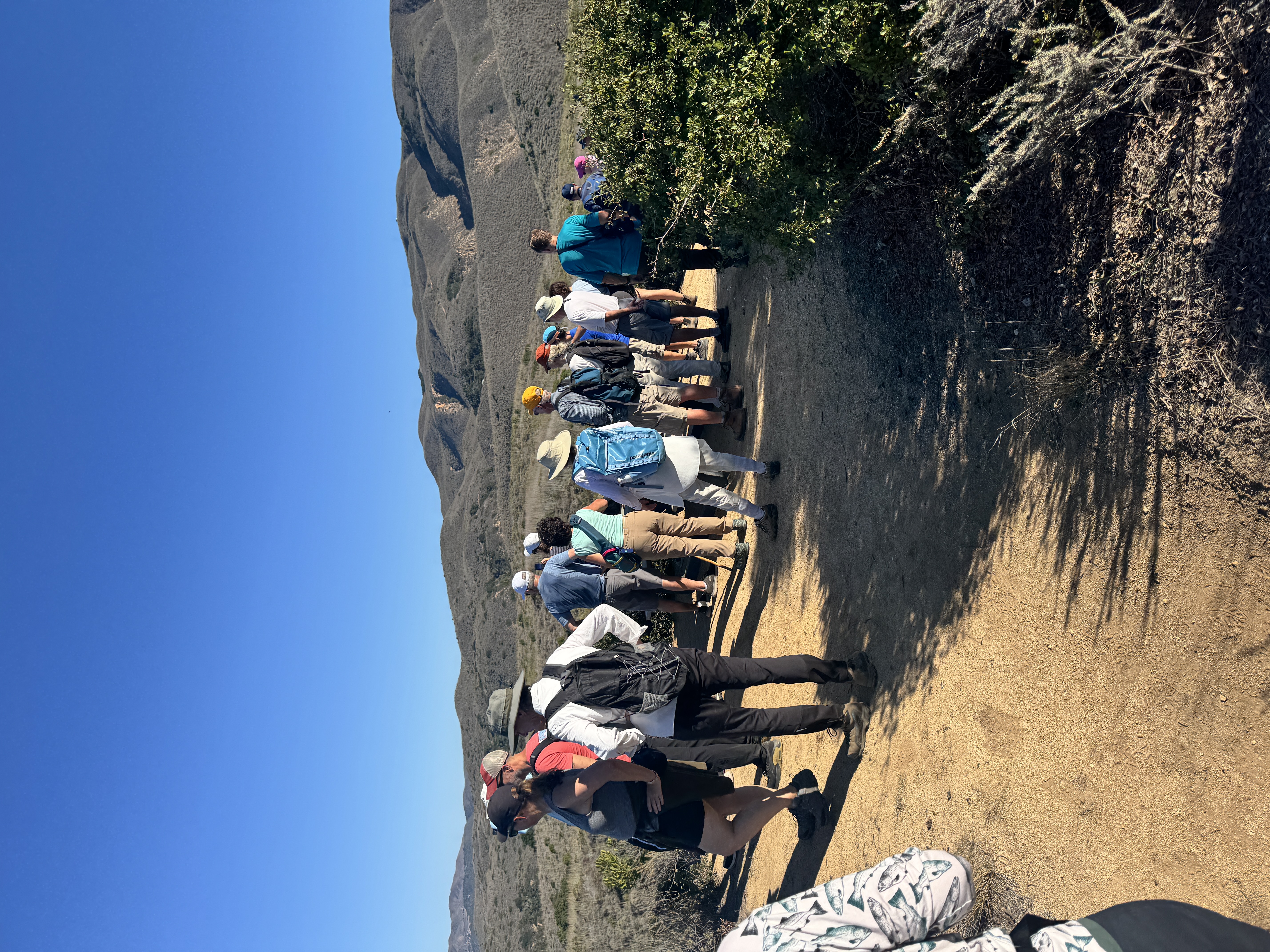
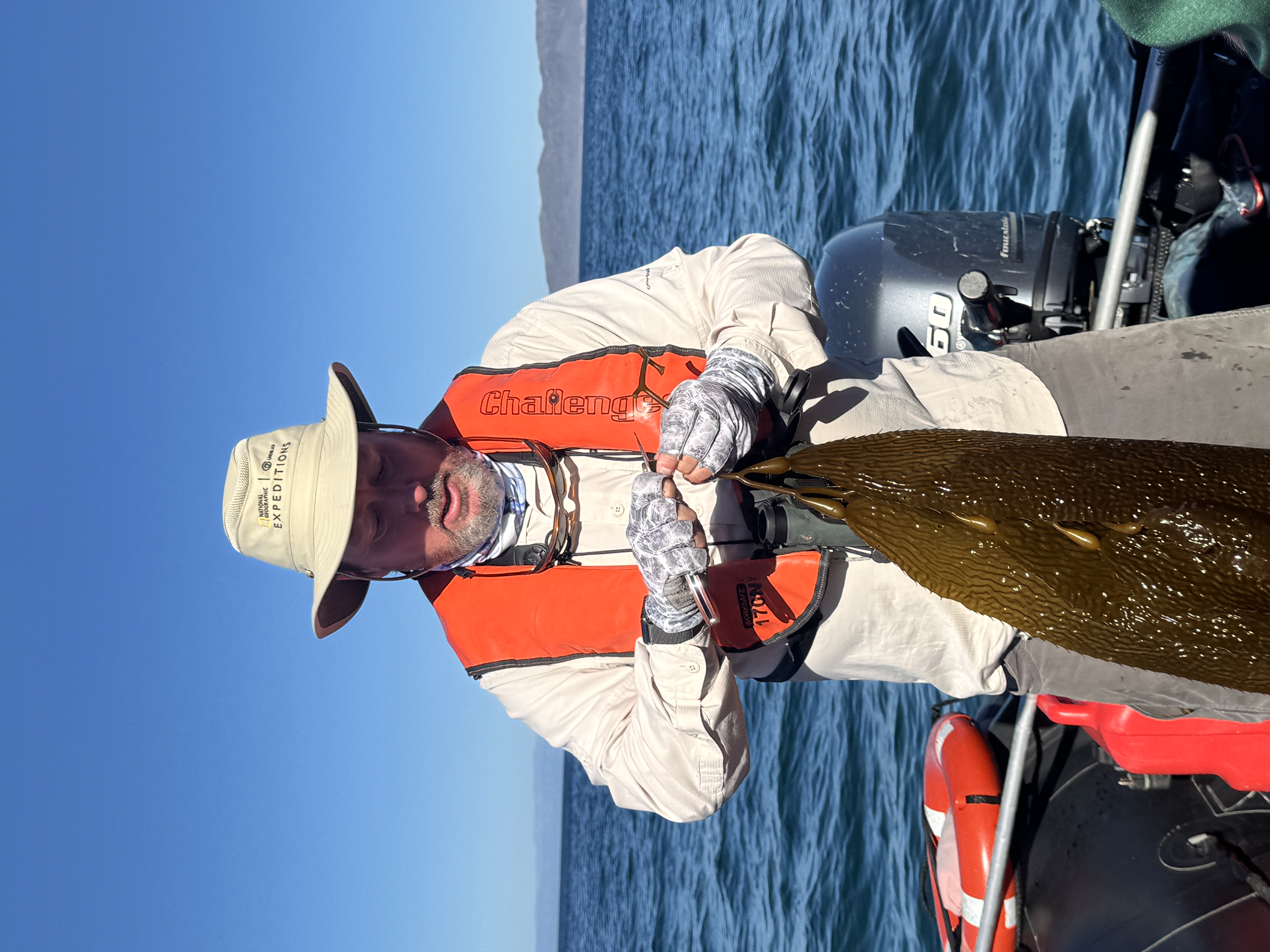
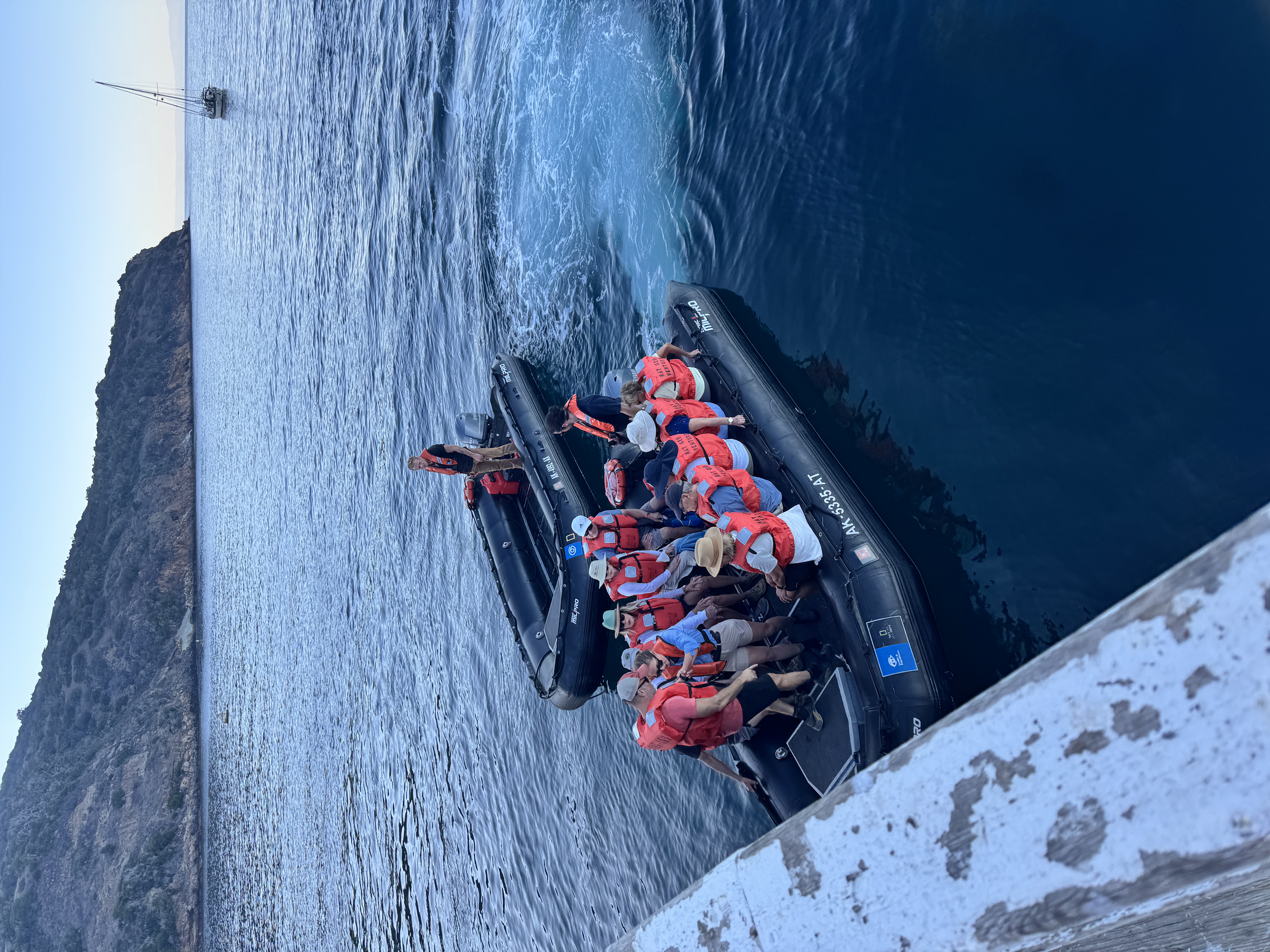
Waking early to find the ship at anchor, the world outside cloaked in coastal fog and alive with the sound of barking sea lions, was one of those moments that stays with you. Our Zodiac cruise along Anacapa's shoreline revealed sea lions on the rocks, seabirds wheeling overhead, and giant kelp forming the backbone of one of the most biodiverse coastal ecosystems on the Pacific coast of North America. The afternoon brought a strenuous five-mile hike on Santa Cruz Island in 26-degree heat, where we encountered two of the Channel Islands' most famous endemic species - the tiny Island Fox and the vivid blue Scrub Jay, found nowhere else on earth.
Strenuous Hike - Santa Cruz Island
Giant Kelp - Can Grow 2ft a Day
Welcome Home
Day 3 - Santa Rosa Island and the Wildlife of the Channel Islands
The Channel Islands are often called "America's Galapagos" - and spending a full day on Santa Rosa makes clear why. The afternoon Zodiac cruise was among the most exhilarating two hours I've spent on the water. Sea lions hauled out on rocks. A bald eagle circled above the ancient Torrey Pines. And then - the moment that had the whole Zodiac holding their breath - a suspected great white shark, estimated at seven or eight feet, circling below us.
"A bald eagle circling above the Torrey Pines. Sea lions. A great white shark below the Zodiac. In two hours on the water, more wildlife encounters than most people see in a lifetime of holidays."
Day 4 - Catalina Island: Two Harbors and Avalon
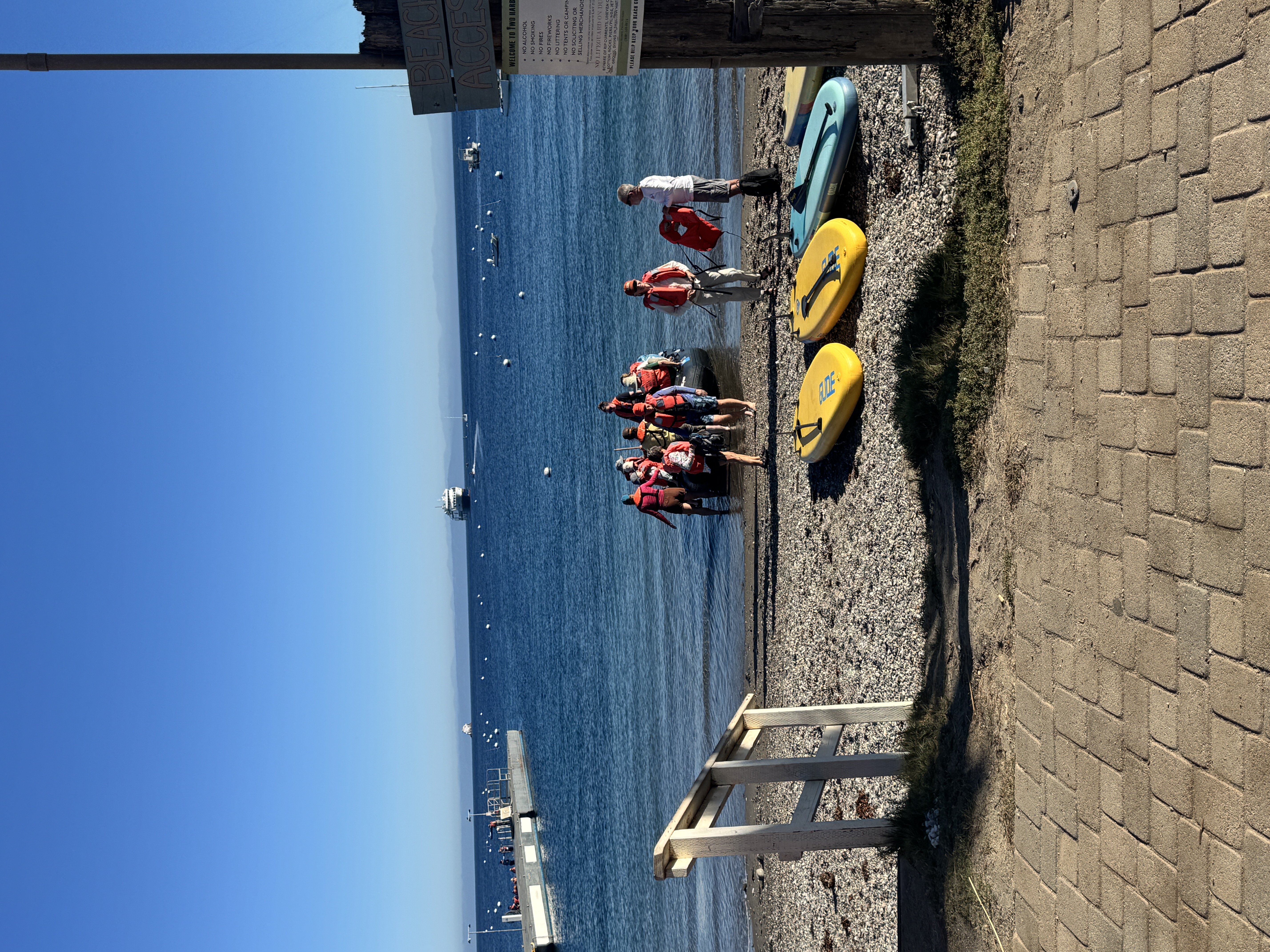
Two Harbors in the morning rewarded us with Catalina Island Foxes at every turn, before kayaking and paddleboarding among the sea kelp with orange Garibaldi fish visible through the clear water below.
Zodiac Landing at Two Harbours
Kayaking and SUP - Catalina Island
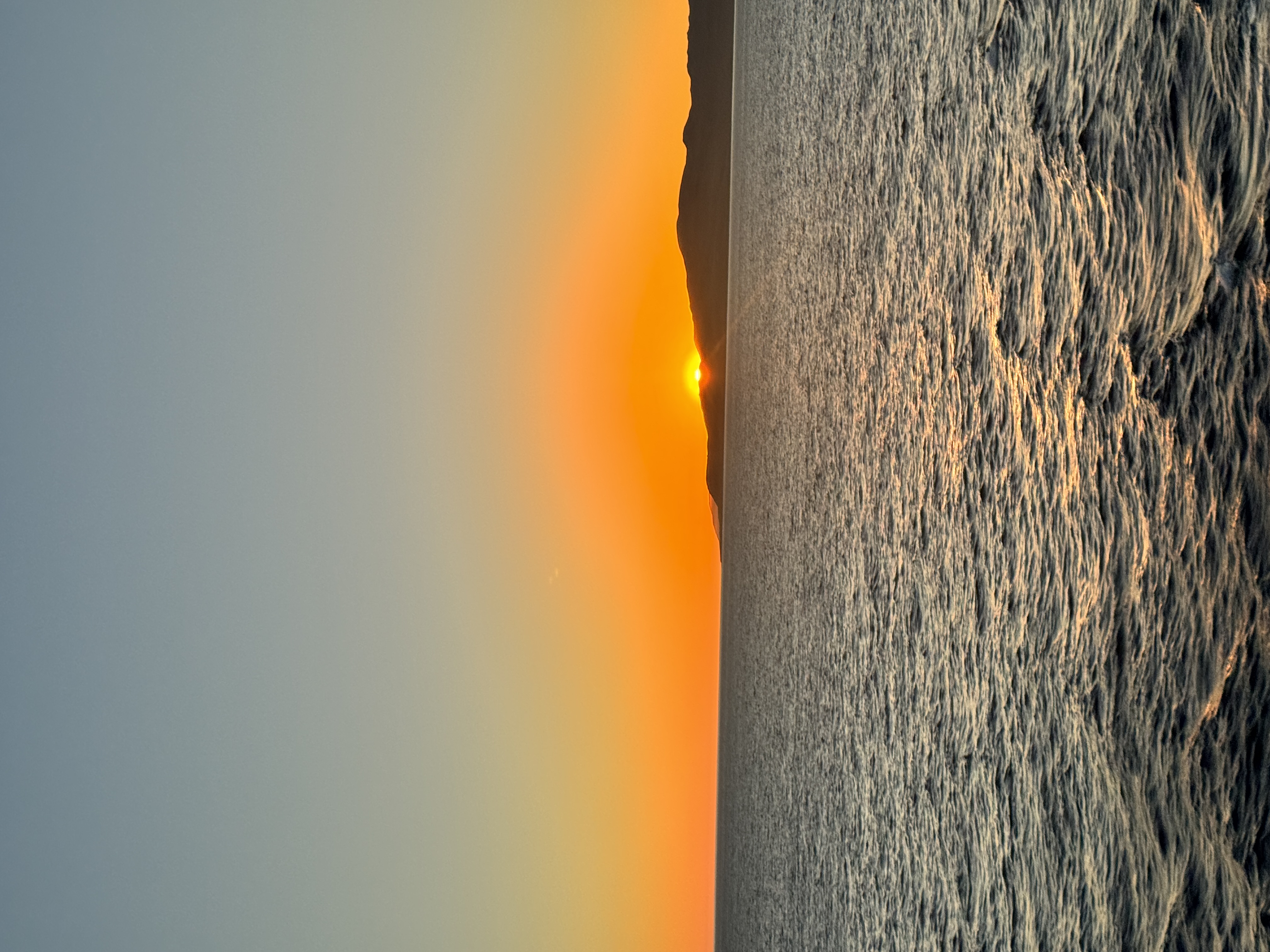
Sunset - Catalina Island
The Channel Islands Wildlife - What Makes This Region Special
The California Channel Islands are one of North America's most significant wildlife habitats. The combination of cold and warm currents creates an upwelling that supports everything from giant kelp forests to California sea lions, Pacific harbour seals, bottlenose dolphins, blue whales, and great white sharks. On land, isolation over millions of years has produced species found nowhere else - the Island Fox, the Island Scrub Jay, and reintroduced Bald Eagles now nesting here again.
The Ship - National Geographic Venture
The Venture is a small ship - 62 guests maximum - and that intimacy is entirely intentional. The expedition team of naturalists, photographers, and specialists are present at every meal, every briefing, every Zodiac landing. The onboard National Geographic certified photography instructor is one of Lindblad's most distinctive offerings.
My Verdict
Four nights felt exactly right for this destination. The Channel Islands rewards the curious traveller with encounters completely out of proportion to the distance from Los Angeles - island foxes, sea lions, dolphins, bald eagles, giant kelp forests, and one very large shark. If you are considering a National Geographic Lindblad expedition - whether to the Channel Islands, the Galapagos, Alaska, or Antarctica - I would be delighted to talk it through with you.
Voyage Details
DestinationChannel Islands National Park
OperatorNational Geographic Lindblad Expeditions
ShipNational Geographic Venture
Duration5 days / 4 nights
SailedOctober 2025
DepartsLos Angeles (San Pedro)
Rich's Ratings
Wildlife Encounters
★★★★★
Expedition Team
★★★★★
Photography Programme
★★★★☆
Ship & Comfort
★★★★☆
Food & Dining
★★★★☆
Overall
★★★★☆
Rich's Verdict
A genuinely outstanding small-ship expedition. The Channel Islands punches well above its weight for wildlife, and the National Geographic Lindblad team are simply the best in the business at bringing it to life.
Interested in this voyage?
Talk to Rich directly. He has sailed with National Geographic Lindblad and can answer every question from personal experience.
Rich's practical guides to planning the expedition cruise that is right for you.
Common Questions
Expedition Cruise FAQs
On a mainstream cruise, the ship is the destination - entertainment, dining, and facilities are the focus. On an expedition cruise, the ship is the vehicle that gets you to places no larger vessel can reach. There are no casinos or Broadway shows; instead, there is a science centre, a Zodiac fleet, daily lectures from expert naturalists, and unscripted encounters with the natural world. Itineraries are flexible, shaped by wildlife and weather, and no two voyages are ever identical.
The Antarctic season runs from November to March. November is the best time for courtship behaviour and empty beaches; December and January bring 24-hour daylight, penguin chicks, and peak wildlife activity; February and March offer whale-feeding frenzies as sea ice retreats. Each window has its own character - Rich will help you identify which timing suits your interests best.
PC stands for Polar Class - an internationally recognised system that rates how well a ship is built to operate in ice. The scale runs from PC1 (the strongest, capable of breaking through thick multi-year Arctic ice year-round) down to PC7 (reinforced for light ice operations in summer only). For expedition cruising, the most relevant ratings are: PC2 - capable of operating in heavy multi-year ice, used by ships like the National Geographic Resolution; PC5 - suitable for medium first-year ice, used by some premium expedition ships; and PC6 - the most common rating for Antarctic expedition ships like HX's Roald Amundsen and Silversea's Silver Endeavour. A higher PC rating doesn't necessarily mean a better expedition experience - it simply means the ship can operate safely in more severe ice conditions.
The Polar Plunge is one of expedition cruising's most talked-about traditions - a voluntary jump or wade into the icy waters of the polar sea, usually in Antarctica or the Arctic. Water temperatures are typically around 0 to 2 degrees Celsius, and the experience lasts just a few seconds before you are helped back aboard and wrapped in a warm towel. It is entirely voluntary - nobody is ever pressured to take part - but for those who do, it tends to become one of the most vivid memories of the entire voyage.
The most popular departures can sell out 12 to 18 months in advance, especially the best cabin categories. We strongly recommend booking early to secure both your preferred departure and any early-booking pricing benefits. Last-minute availability does occasionally arise, and Rich is happy to check.
Much less than most people expect. The majority of Zodiac landings involve stepping in and out of an inflatable boat onto a beach or rocky shore - nothing more. Most operators offer a clear tiering of excursions from gentle to moderate to active. Many of Rich's most enthusiastic clients are in their 70s and 80s.
Inclusions vary significantly by operator. HX Expeditions includes all shore excursions and Zodiac landings, all meals, and the expert expedition team. National Geographic Lindblad includes all activities, kayaking, and the NatGeo photographer programme. Silversea Expeditions is fully all-inclusive - drinks, gratuities, butler service, and flights on many itineraries. Rich will always provide a complete breakdown of inclusions before you book.
Yes, and this is important. Standard travel insurance is not adequate for polar expedition cruising. You will need a policy that specifically covers expedition or adventure travel, medical evacuation from remote locations, and the precise destination category. Rich can guide you towards appropriate specialist insurers as part of the booking process.
Most expedition operators are increasingly solo-traveller friendly. Many now offer dedicated solo cabins with no single supplement, while others offer guaranteed share programmes. Rich has extensive experience matching solo travellers to the right voyage and cabin.
No. Rich's service costs you nothing extra. Expedition cruise operators pay agent commissions from the same fare you'd pay booking direct - so the price you pay through Rich is always the same as, or in some cases better than, direct booking. What you gain is independent expert advice, personal service across the whole journey, and the assurance that you're on the right ship for your specific requirements.
Talk to Rich
Plan Your Expedition Cruise
Every expedition starts with a consultation - not a form. Rich's approach is to take the time to understand exactly what you are looking to get out of this trip of a lifetime. What matters most to you - the wildlife, the science, the luxury, the adventure? He will always recommend what is right for you.
Consultations can be arranged by phone, email, or video call at a time that suits you. If you are based in the Hampshire area, Rich is also happy to arrange an in-person meeting.
📍
Based in
Hampshire, UK - serving clients across Britain
💻
Consultation options
Phone · Email · Video call · In-person (Hampshire)
Thank you - Rich will be in touch personally. If you need to speak to him urgently, call 01489 661199 or email [email protected]
Featured Expeditions & Inspiration
Be the first to hear about new departures, early-booking offers, last-minute availability, and Rich's personal destination guides - delivered directly to your inbox.
Legal
Privacy Policy
This website, GoExpeditionCruises.co.uk, is operated by Rich Rochester, a Franchise Member of GoCruise & Travel, which operates under the commercial terms and licensing of Fred. Olsen Travel Ltd. This Privacy Policy explains how your personal data is collected, used, and protected when you use this website or contact Rich Rochester through any channel.
This policy is provided in accordance with the Fred. Olsen Travel Privacy Policy, which governs the handling of all personal data across GoCruise & Travel and its franchise network.
Who Controls Your Data
Fred. Olsen Travel Ltd is the Data Controller for personal data collected through GoCruise & Travel and its franchise network. Fred. Olsen Travel Ltd is registered at Fred. Olsen House, 42 White House Road, Ipswich, Suffolk, IP1 5LL.
What Data We Collect
When you use this website, contact Rich Rochester, or make an enquiry or booking through this website or with Rich Rochester directly, we may collect the following types of personal data:
Your name, address, telephone number(s), and email address
Date of birth, nationality, gender, and passport information (when making a booking)
Emergency contact details
Payment and transactional information
Health, medical, dietary, and disability information (where relevant to your booking)
Travel insurance details
Website usage information, browser type, device type, and IP address
Any information you voluntarily provide when contacting us by phone, email, or via this website
How We Use Your Data
Your personal data is used for the following purposes:
To respond to your enquiry and provide you with personalised expedition cruise advice
To process and manage your booking and any related arrangements
To send you information about offers, departures, and expedition cruise inspiration - where you have consented to receive these
To comply with our legal and regulatory obligations
To improve the content and functionality of this website
To contact your emergency contact in the event of an emergency
We will always provide you with the option to opt out of marketing communications. You may withdraw consent at any time by contacting us directly or using the unsubscribe link in any email we send you.
Lawful Basis for Processing
We process your personal data on the following legal bases: contractual obligation (where processing is necessary to fulfil a booking or enquiry you have made); legitimate interests (where we have a genuine business reason to process your data that does not override your rights); legal obligation (where we are required by law to process your data); and consent (where you have actively agreed to receive marketing communications).
Who We Share Your Data With
In the course of arranging your expedition cruise, we may share your personal data with:
Expedition cruise operators and cruise lines (e.g. HX Expeditions, National Geographic Lindblad, Silversea, AE Expeditions, Quark Expeditions, Seabourn Expeditions)
Airlines, hotels, and transfer providers
Fred. Olsen Travel Ltd and other companies within the Fred. Olsen family
Technology and booking system providers, including Traveltek
Government and regulatory authorities where required by law
Our professional advisors
We will never sell your personal data to any third party.
Data Retention
We retain your personal data for only as long as is necessary for the purposes set out in this policy and to meet legal, regulatory, and financial reporting requirements. Booking data is retained for a minimum of three years; financial transaction data for a minimum of six years. Contact details for marketing purposes are retained until you ask us to remove them.
Your Rights
You have the right to access, correct, or request deletion of your personal data. You also have the right to object to processing, request data portability, and lodge a complaint with the Information Commissioner's Office (ICO). To exercise any of these rights, please contact us using the details below.
Cookies
This website may use cookies to improve your browsing experience. By continuing to use this website, you consent to the use of cookies in accordance with this policy.
This Privacy Policy is subject to change. We encourage you to review it periodically. Last reviewed: June 2026.
Legal
Terms & Conditions of Booking
Please take the time to read these terms and conditions carefully. It is your responsibility to ensure that you have read and understood them before placing any booking with Rich Rochester as your GoCruise & Travel franchisee.
Rich Rochester is a Franchise Member of GoCruise & Travel, operating under Fred. Olsen Travel commercial terms and licensing. All bookings are protected under ABTA J5035. Our ATOL number is 0944. We are a registered UK Travel Business.
Our Role as Your Agent
When making your booking, Rich Rochester acts as your travel agent through GoCruise & Travel, arranging for you to enter into a contract with the principal supplier named on your booking confirmation - this will be the expedition cruise operator, tour operator, airline, or other service provider relevant to your arrangements.
As your agent, GoCruise & Travel accepts no responsibility for the acts or omissions of the principal supplier, or for the services they provide. The principal supplier's own Terms & Conditions will apply to your booking - we strongly advise you to read these carefully. Please ask us for copies if you do not have them. Our Terms of Business are governed by English Law and the jurisdiction of the English Courts.
Prices and Availability
All expedition cruise products and arrangements are subject to availability. Prices shown on this website and in any communications are indicative. We reserve the right to alter prices and promotional offers at any time. You will be advised of the confirmed price before your booking is finalised.
Booking Details
When a booking is made, all details will be confirmed with you before we proceed. Please check that all names, dates, and arrangements shown on your confirmation documents are correct and advise us of any errors immediately. It is essential that names given match exactly those on the relevant passports. Any amendments required after confirmation may incur charges from the principal supplier.
The information you provide will be passed to the relevant suppliers of your travel arrangements and, where required by law, to public authorities such as customs or immigration. By making a booking, you consent to this information being passed to the relevant parties as necessary.
Payment
A deposit or full payment will be required at the time of booking. Where a deposit is paid, the full balance must be paid by the balance due date notified to you. If full payment is not received by the balance due date, the principal supplier may cancel your booking and apply cancellation charges in accordance with their own Terms & Conditions.
Cancellation and Amendment
Any cancellation or amendment request must be submitted to us in writing and will not take effect until received by us. If you cancel or amend your booking, the principal supplier may apply cancellation or amendment charges as set out in their Terms & Conditions - which may be up to 100% of the total cost of your arrangements. Please note that expedition cruise bookings typically carry significant cancellation charges, particularly close to departure - Rich will advise you of these clearly at the time of booking.
Disability and Special Requirements
Please notify us of any disability requirements, medical conditions, dietary needs, or other special requests before your booking is confirmed. This information allows us and the expedition cruise operator to ensure appropriate arrangements and care. Please note that Zodiac landings and some expedition activities may have specific fitness or mobility requirements - Rich will discuss these with you as part of the booking consultation.
Travel Insurance
Travel insurance is essential for expedition cruise travel, and many expedition operators require it as a condition of booking. Standard travel insurance is unlikely to be adequate - you will need a policy specifically covering:
Expedition and adventure activities including Zodiac operations
Medical evacuation from remote polar and wilderness locations (at significant cost)
Cancellation and curtailment
Loss of baggage and personal effects
Pre-existing medical conditions (where applicable)
Rich will advise you on appropriate specialist expedition cruise insurance as part of the booking process. For standard travel insurance, you may also contact our preferred insurance partner Holiday Extras on 0333 188 0667 or visit holidayextras.com.
Financial Protection
Your financial protection is important to us. All flight-inclusive holidays and arrangements sold through GoCruise & Travel are financially protected under the ATOL scheme (ATOL number 0944). When you pay, you will be supplied with an ATOL Certificate listing all protected elements of your booking.
In addition, we have insolvency protection with ABTA - The Travel Association (ABTA J5035). In the event that services cannot be provided due to our insolvency, you may make a claim through the ABTA scheme. You can contact ABTA at 30 Park Street, London SE1 9EQ or at [email protected].
For more information on ATOL financial protection, visit www.caa.co.uk.
Passports, Visas, and Health
It is your responsibility to ensure that all passport, visa, and entry requirements for your destination are met. Many expedition cruise destinations require passports to be valid for at least six months beyond your return date. Rich can provide general guidance, but specific requirements should be confirmed with the relevant Embassy or Consulate.
Expedition cruise destinations - particularly Antarctica, the Arctic, the Galápagos, and remote wilderness regions - may have specific health and vaccination requirements. Please consult your GP or a travel health clinic well in advance of departure. For up-to-date travel advice, visit the Foreign, Commonwealth & Development Office at gov.uk/foreign-travel-advice.
Complaints
As your travel agent, Rich Rochester through GoCruise & Travel acts on your behalf in arranging bookings with expedition cruise operators. Any complaints relating to the services provided during your voyage should be raised with the operator directly at the time, and in writing on your return. Rich will always assist you in pursuing any complaint - please contact us and we will support you through the process.
If the matter cannot be resolved and it involves us or another ABTA member, you have the option to use ABTA's Alternative Dispute Resolution scheme, approved by the Chartered Trading Standards Institute. See www.abta.com for further information.
GoCruise & Travel · ABTA J5035 · ATOL 0944 · Operating under Fred. Olsen Travel commercial terms and licensing.
A copy of the Package Travel and Linked Travel Arrangements Regulations 2018 can be found at legislation.gov.uk. These Terms & Conditions are subject to change. Last reviewed: June 2026.
Enquire with Rich
Tell Me About Your Dream Expedition
✅
Enquiry Sent
Rich will be in touch personally. If you need to speak to him urgently, call 01489 661199.
★★★★★
£250 OFF
Your First Expedition Booking
Exclusive Subscriber Offer
Sign up to Rich's expedition newsletter and receive a £250 voucher towards your first expedition cruise booking. T&Cs apply.
✅
You're In!
Your £250 voucher is on its way to your inbox. Keep an eye out for an email from Rich with your voucher code and all the details.
Enter your details below and we'll send your voucher straight to your inbox.